
An Autumn Weekend Carry-On for Changeable Weather
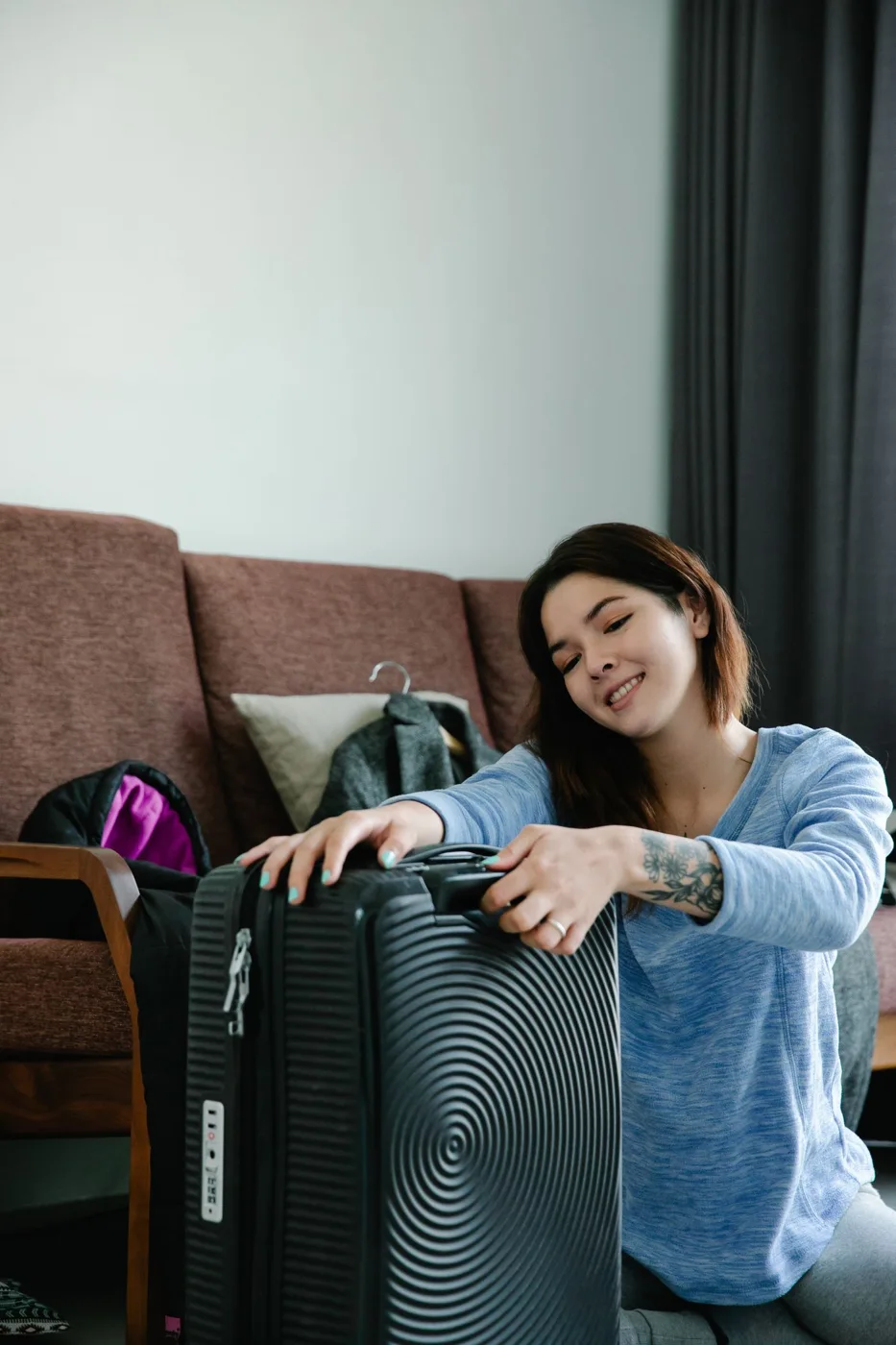
Autumn weekends are often sold as a neat picture of a coat, a scarf, and a café table. The actual trip may include a warm train, a wet walk, and a room with very little space for luggage. Packing for those transitions is more useful than collecting every attractive seasonal layer.
For a two-night break, start with the forecast and the itinerary, then give each garment a job. This example suits a casual trip with town walks and a relaxed dinner. It needs adapting for colder destinations, hiking, or formal plans. A carry-on is a useful constraint only if you can still bring what you genuinely need and comply with your carrier’s current size and weight rules.
Pick the outer layer before the outfits
The coat or jacket affects every other choice. Try it over the thickest combination you expect to wear. Can you bend your arms, fasten it comfortably, and carry your bag without the sleeves bunching? A fitted coat that works over a thin shirt may become restrictive over a knit.
Choose the layer for likely conditions. A structured wool coat can suit cool, mostly dry town days, while a suitable rain jacket may be more practical when extended wet weather is expected. Do not assume a fashion coat is waterproof. Read the product information and care instructions. If your existing jacket serves the forecast, there is little reason to buy a new one simply to make the packing list feel seasonal.
Use two bottoms with different strengths
One familiar pair of trousers and one alternative usually cover a casual weekend. The alternative might be jeans, a knit skirt, or another trouser shape. It should work with the same outer layer and shoes. If the second bottom requires a separate coat or a third shoe pair, it may be creating more work than it solves.
Consider rain and hem length together. Fabric brushing the ground is inconvenient on wet pavements. Wide trousers can still work, but try the hem with the exact shoes you intend to wear. Check the waistband while sitting as well as standing, especially if travel takes several hours. A weekend bag has little space for a backup to an uncomfortable outfit.
Create warmth with compatible layers
Pack two base tops and one additional top if your plans or laundry needs justify it. Add a knit that fits beneath the outer layer. The combination should let you remove warmth indoors without leaving an outfit you dislike. A fine cardigan can work as either a top or an open layer if the neckline and buttons suit you.
Avoid packing several sweaters that all perform the same role. One heavier knit may be right for a chilly destination, but it occupies space and can be awkward in a warm carriage. A lighter knit plus your base top offers more flexibility, although it will not replace proper cold-weather clothing when temperatures demand it. Choose for the actual forecast rather than a generic autumn mood.
Settle the footwear question early
Start with the shoes for your longest walk. If a second pair is necessary, decide exactly why: a dinner reservation, a different activity, or a weather requirement. Two pairs of similar ankle boots usually add bulk without a meaningful new function.
New boots deserve a trial at home, including stairs and an ordinary walk. Check the fit with the socks you will pack, and notice whether the ankle edge rubs or the heel slips. A thick sole, high price, or leather label does not guarantee a comfortable fit. If the established walking shoes look less polished than your dinner preference, decide whether a small compromise in appearance is better than carrying another heavy pair.
Pack an evening change that stays small
An evening top, earrings you already enjoy wearing, or a different way of styling the cardigan can refresh a day outfit. Choose the option that fits the venue. Check dress expectations directly when they matter rather than guessing that all restaurants require the same level of formality.
Keep the evening top away from toiletries and dirty shoes. A simple reusable garment bag or an existing clean fabric pouch can be sufficient; special travel accessories are not always necessary. If the top creases easily, consider whether you will have an iron and whether you want to spend time using it. A garment that looks acceptable after ordinary packing may be more valuable than a dramatic piece needing careful preparation.
Evaluate the bag before buying organizers
Put the actual clothes in the bag you own. Lift it, wheel it if relevant, and imagine carrying it up a staircase. External dimensions can change when a soft bag is overfilled, so check your carrier’s requirements against the packed bag rather than the empty label alone. Rules differ and can change.
Packing cubes help keep groups together, but they cannot make an overloaded suitcase lighter. A small cube for underwear and socks may be enough. Leave the first layer you will need accessible, and put shoes in a separate washable cover. Keep any liquids according to the applicable transport rules. The bag should close easily, leaving enough room for the less orderly journey home.
A final autumn check
Lay out one travel outfit, one full daytime alternative, and one dinner adjustment. Add underwear, sleepwear, necessary personal items, and weather accessories that have a real purpose. Check that the scarf works with the coat collar and that your bag strap does not slide around on the outer layer.
A successful weekend capsule does not anticipate every imaginable temperature. It responds well to the conditions you are likely to meet and leaves you comfortable enough to enjoy them. For a trip built around museums and long town walks, our three-day city-break guide offers another way to test your combinations before they go in the bag.