
Choose a Framed Print Through the Image’s Intended Orientation
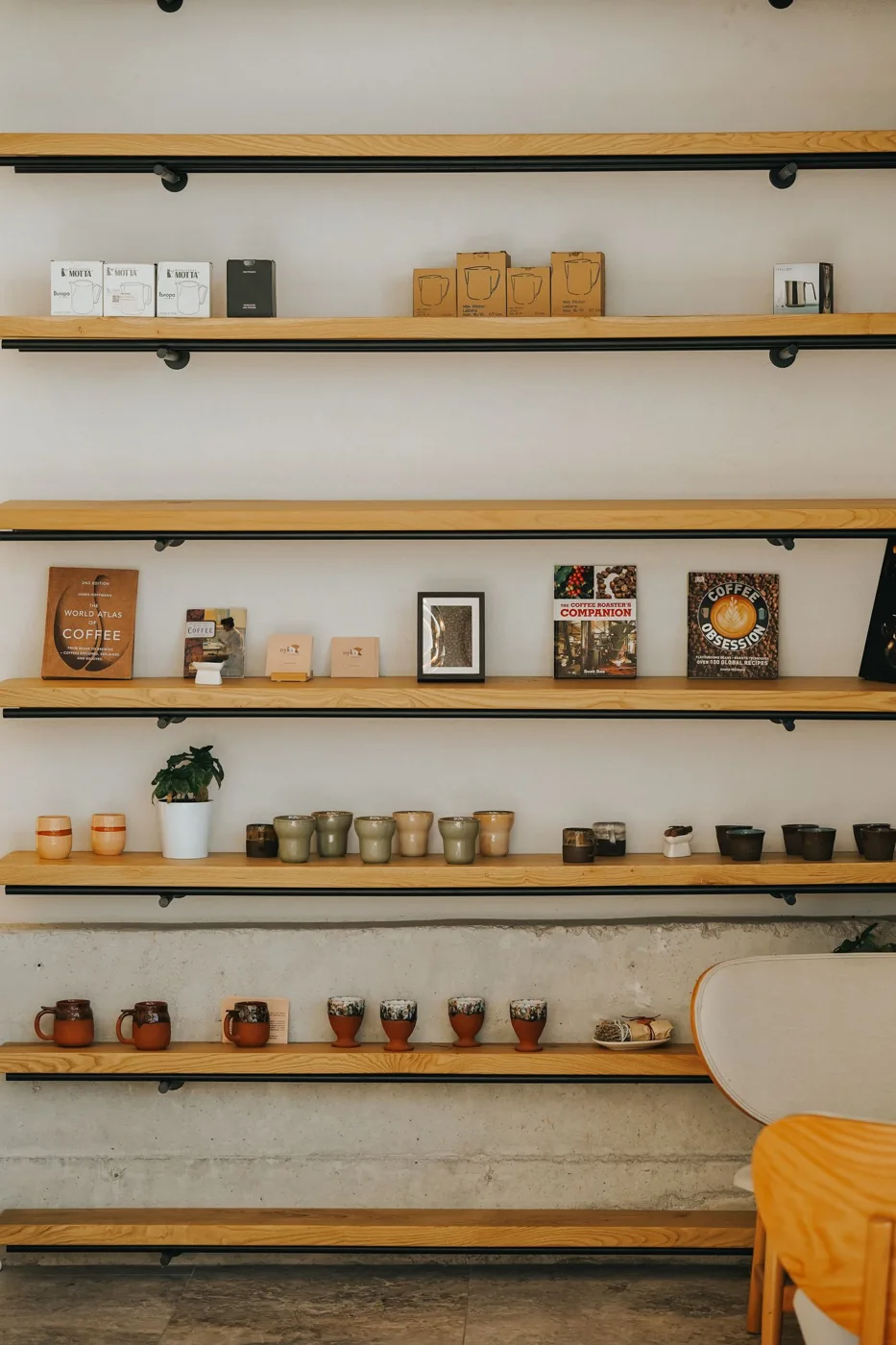
A framed print should be chosen through the image's intended orientation as well as the space around it. A wall or shelf may seem to want a tall or wide object, but the picture itself still needs to be viewed as designed. Compare the actual product and the intended room position before treating a pleasing frame shape as the whole decision.
Identify the image you want to see
Look at the complete print rather than only the frame's outline in a shop display. Notice the composition and how the product is intended to be presented. Do not assume an image can simply be rotated or cropped to match an empty patch of wall without changing the subject you liked.
Keep accurate product identification available when several versions are offered. A familiar picture may come in different formats, and a listing image does not necessarily establish which version is selected. Ask the seller about an unclear detail rather than relying on the display arrangement alone.
Compare the viewing position
Decide where people will actually see the print from during ordinary use of the room. A shelf beside a chair and a wall across a table create different relationships. Keep that actual viewpoint in mind instead of choosing an orientation solely to fill the largest blank area.
The available-chair guide helps preserve a usable room around decorative decisions. An artwork arrangement should not require the seat or necessary belongings to move into an inconvenient position simply to complete a symmetrical view.
Keep the frame and installation questions separate
Read the product's dimensions, fittings and installation requirements and respect the surface or property's rules. Do not improvise a support because the frame can be balanced temporarily in the position imagined. Ask an appropriate qualified person about an unfamiliar fitting or installation question.
The small-basket specific-task guide offers a related buying principle: give an object a real role before adding it. For a framed print, that role includes a suitable way to display the actual image, not merely an attractive object that occupies a gap.
What if the preferred picture does not suit the gap?
Consider another appropriate position, a verified alternate format supplied by the seller or a different image you genuinely want. Do not let the available gap become a reason to purchase a picture whose subject no longer matters to you. Keep the product's intended presentation and the room's practical needs in the same comparison.
Preserve useful maker, artist and product information after the purchase so the work remains identifiable when its packaging goes. Avoid inventing provenance or an interpretation presented as fact. A considered print choice gives the image a place where it can be enjoyed as intended, leaving orientation as part of a complete decision rather than a rule imposed by the shape of an empty wall.