
Choose a Hanger Through the Garment's Shoulder Needs
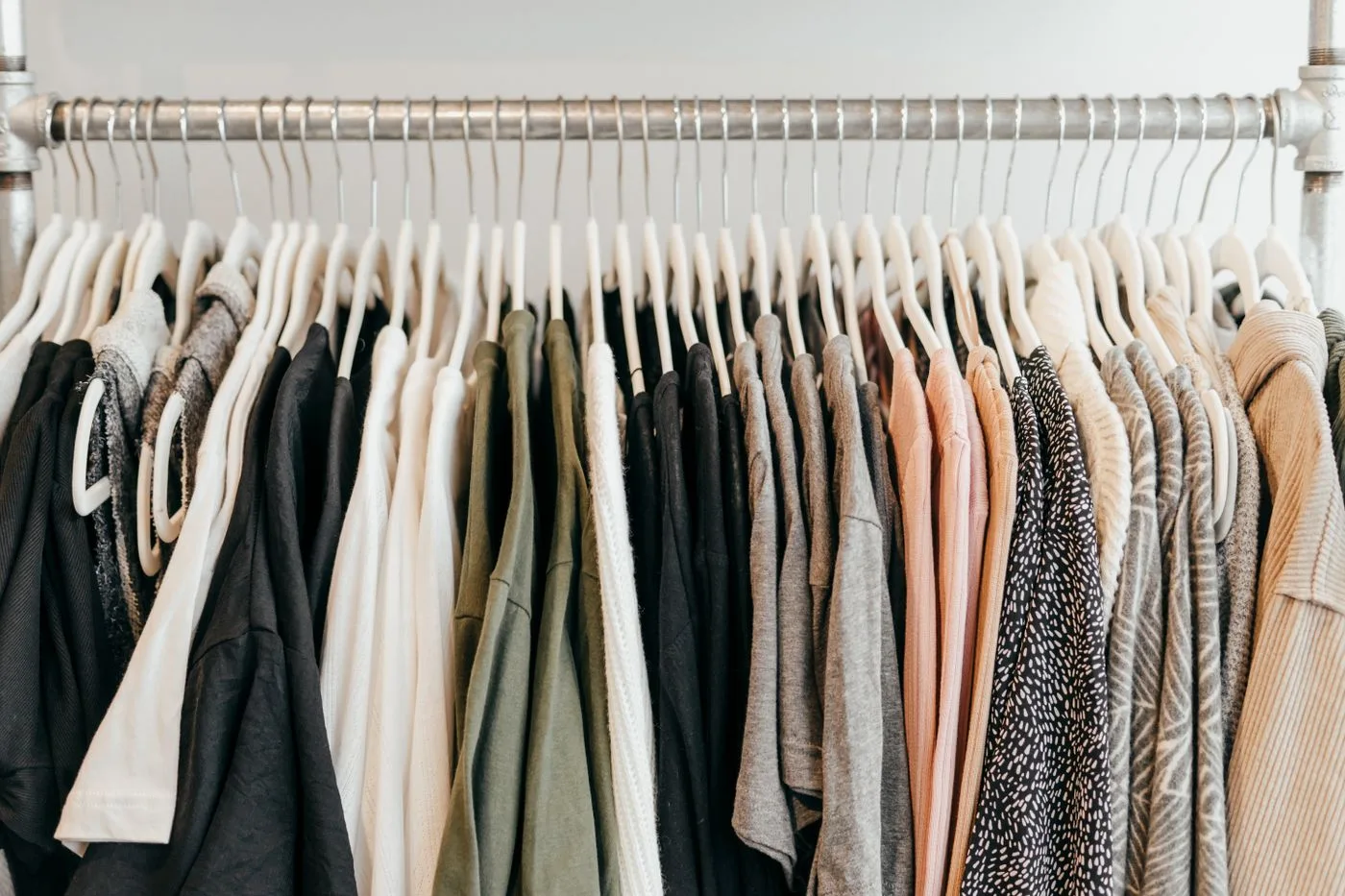
A hanger should support the garment's actual shoulder and storage needs. A matching row can look organized while leaving a jacket poorly supported or a delicate top distorted. Read garment guidance, inspect the hanger's complete shape, and choose through the items you own before buying a large identical set.
Begin with the garment's care
Check whether the item should be hung at all. Some textiles and constructions need a different appropriate storage method. Follow the garment's instructions and seek suitable professional guidance for valuable or uncertain pieces rather than applying one wardrobe rule to every fabric.
For items that belong on hangers, identify the necessary support and attachment points. A tailored jacket, a lightweight blouse, and a garment with specific loops may need different shapes. Similar shoulder widths do not automatically mean the same hanger serves them equally well.
Inspect the complete hanger
Look at width, profile, surface, hook, and any clips or notches. Check condition and stated limits where available. Avoid rough or damaged surfaces that could harm fabric, and use attachments only as intended. A notch that is convenient for one garment can be unsuitable for another.
Try a suitable item and observe how it rests naturally. The hanger should not force the shoulder into an unwanted shape or create unsupported weight at a delicate point. Do not stretch the garment to fit a preferred hanger merely because the rest of the rail matches.
Check the wardrobe around it
Consider rail height, door clearance, neighboring garments, and comfortable retrieval. A broad supportive hanger may take more room, while a thin one may not provide the support a particular piece needs. Choose the balance through actual garment requirements rather than counting how many hangers fit tightly together.
Our Sunday wardrobe reset helps connect storage with the coming week's clothes. A useful hanger arrangement makes ready garments accessible without repeatedly moving or compressing several other items to reach one blouse.
Keep the collection purposeful
Retain suitable hangers for the garments that genuinely use them. Deal with damaged or surplus items through an appropriate local route. Before buying more, check whether the apparent shortage comes from empty hangers mixed among clothes or pieces that should be stored differently.
The coat storage-space guide explains why a garment's home matters before purchase. Include its necessary hanger and clearance in that brief instead of expecting existing storage to adapt automatically to every new coat.
Should every hanger be wooden? No single material or shape suits every garment and wardrobe. Follow the specific clothing requirements and compare complete suitable products. A mixed selection with clear purposes can care for clothes better than a coordinated set chosen entirely for the appearance of the rail. Keep useful garment guidance with any specialist storage pieces.