
Check a Lunch Container Through Opening and Serving
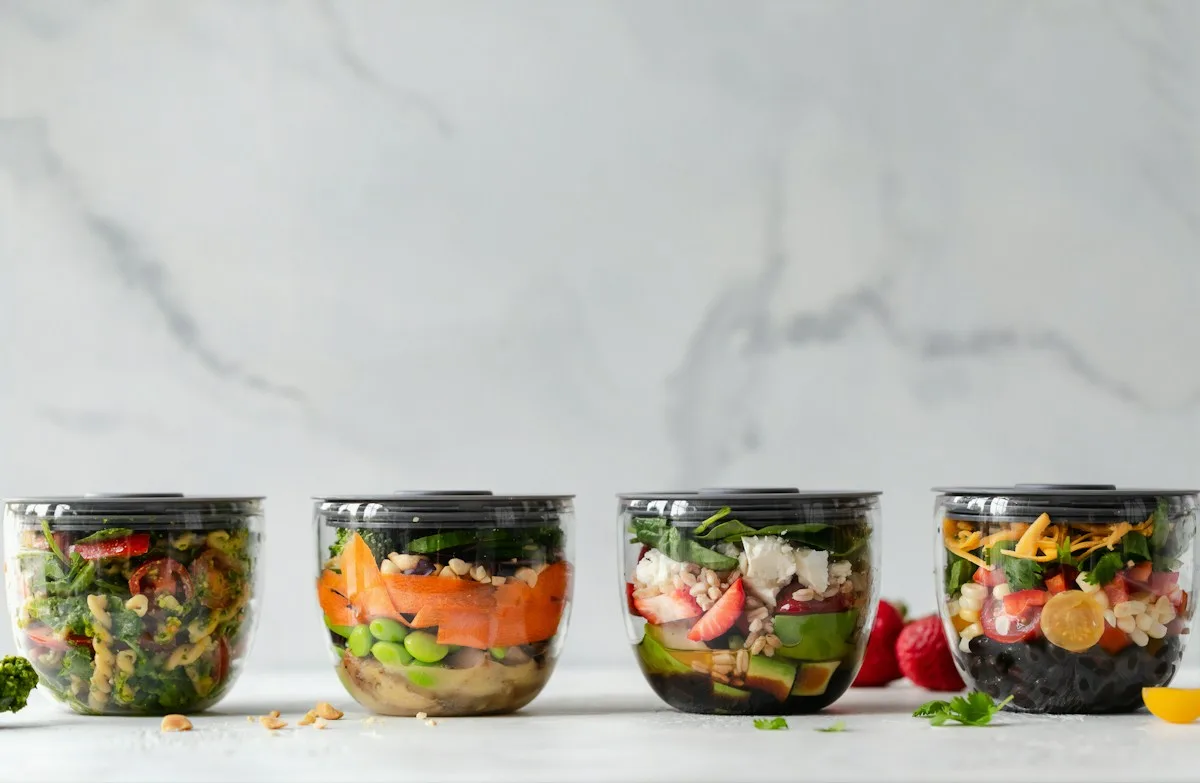
A lunch container should be comfortable to open and serve from in the place you will actually eat. Capacity alone does not establish usefulness. Check the closure, complete dimensions, food suitability, necessary utensils, and after-use care before choosing a new set or deciding every lunch needs the same container.
Start with the actual lunch
Choose food you can handle appropriately through the journey and available facilities. Follow authoritative food-safety guidance and product storage requirements. A container organizes food but does not automatically provide necessary temperature control or make every meal suitable for carrying.
Consider dietary requirements and retain relevant ingredient information. If several people use similar containers, keep ownership and contents appropriately identifiable. An attractive transparent bowl can reveal color and texture without explaining the ingredients that matter to the person eating.
Try the real closure
Read the manufacturer's instructions and use the mechanism as intended. Check whether the person taking lunch can open and close it comfortably in a suitable setting. Individual hand movement and preferences vary, so a clip that feels easy to one user may be inconvenient to another.
Include removable seals and parts in the care decision. Follow instructions for cleaning, drying, and reassembly rather than assuming a quick rinse restores the whole container. A lost or incorrectly returned component can change the intended performance, so keep the process manageable.
Check serving space
Compare the complete container with the actual bag and eating surface. Include the opened lid, utensils, and any separate components. A product can fit a narrow bag while requiring more table space than the intended lunch setting provides.
Our everyday bag guide helps assess the full carried load. Keep food suitably separated and protected, and avoid putting heavy belongings on a container not designed for that pressure. The lunch arrangement should cooperate with the rest of the day.
Finish the return journey
Plan suitable handling after eating and follow appropriate food and container care. Keep used items distinct from ready belongings until they can be properly cleaned and dried. Do not return an empty-looking container to its ready place simply because the food is gone.
The breakfast-corner guide helps keep everyday food equipment purposeful. A modest selection of suitable containers can be easier to manage than a large matching set whose different lids and care requirements create confusion.
Is glass always the best choice? Compare actual material requirements, weight, handling, use, and the journey. No material suits every person or lunch. Check the empty container weight alongside the expected food, and consider how you will carry the used item home after eating. Choose the complete suitable product through the real meal and setting, and follow its stated limits rather than treating a general material preference as a guarantee of practical fit.
Planning references: FDA: Safe Food Handling. Confirm current arrangements with the relevant provider.