
Choosing a Belt by Comfort, Placement and the Outfit You Own
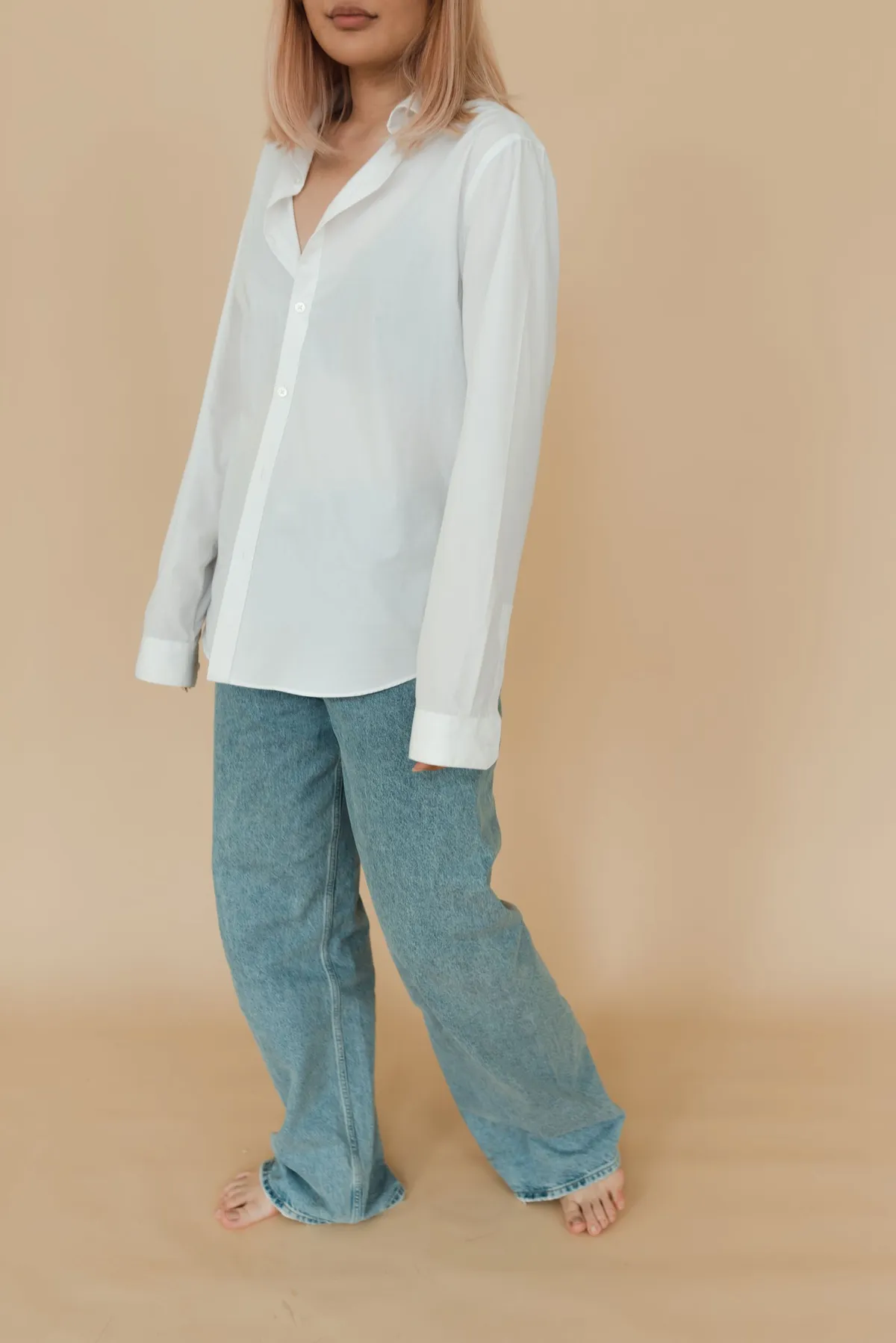
A belt can quietly solve a fit problem or become the feature that makes a familiar outfit feel different. Those are separate jobs. A trouser belt needs to work with loops and a waistband; a decorative belt over a dress needs to sit comfortably without dragging the fabric out of shape. Begin with the garment you want to wear rather than a rule about which belt every wardrobe should contain.
Take that garment, or accurate measurements and photographs, when shopping. Belt sizing conventions vary, so check how the seller measures the product and where the stated length ends. The length of the entire strip is different from the distance to a fastening hole. A useful fit leaves adjustment in both directions rather than relying on the last possible hole.
Decide where the belt will sit
Try the belt at the actual wearing position. A belt bought for high-waisted trousers may be too short lower on the hips or over a thicker layer. Sit down and breathe normally. If the fastening presses into you or the belt requires repeated readjustment, an attractive standing photograph does not make it a comfortable purchase.
For trousers, check that the belt passes through every loop without forcing or folding. A wider belt is not automatically better at holding up a loose waistband. If the garment gathers heavily beneath it, tailoring or a different size may be a more comfortable answer. The belt should support the outfit, not compensate for a fit problem that bothers you all day.
Look at proportion in the whole outfit
Stand far enough from the mirror to see shoes, hem, layers, and belt together. A strong contrast can make the belt prominent; a similar color can produce a quieter line. Neither is inherently more flattering. Choose whether you want the waist area to be a focal point and whether the buckle competes with a print, necklace, or other detail.
Test a narrow and a broader option over the same garment if possible. A broad belt may feel substantial over a structured dress but bunch a fine knit. A narrow belt may sit neatly through small loops but move around over an unstructured tunic. Fabric behavior is more useful evidence than a universal rule based on height or body shape.
Inspect the fastening and finish
Open and close the buckle several times gently. Check that the prong aligns with the holes, that edges feel comfortable, and that the end can be secured. For an adjustable or slide fastening, read the maker's instructions and confirm it stays where you set it during ordinary movement. An elaborate buckle can be enjoyable, but consider whether it will catch on knitwear or be difficult to undo.
Look at stitching, edges, lining, and the area around the buckle. Read the composition rather than inferring material from color or texture. Different materials need different care, and appearance alone cannot establish durability. If a buckle touches sensitive skin, check the manufacturer's material information and choose in line with what you already know works for you.
Test three useful combinations
Use your current wardrobe to make a short trial: the original outfit, an ordinary casual combination, and a layered version. Try the belt under a cardigan or coat so you can notice unexpected bulk. If the only successful combination requires buying a new dress, the belt is a more specific purchase than it first appeared.
A reversible belt can offer two appearances, but assess the mechanism and both finishes instead of counting it automatically as two products. A belt with a very distinctive buckle may provide more enjoyment than a supposedly universal plain one. Buy according to the role you identified, your comfort, and the frequency with which you expect to wear it.
Care and common questions
Store the belt in a way that avoids sharp folds and follow the material-specific care guidance. Keep it away from damp clothing until both are dry. If you need an extra hole, ask whether the construction allows it and use an appropriate professional service when unsure. A poorly placed hole can make the adjustment look untidy or weaken the material.
Must the belt match my shoes? Matching is one option; repeating a tone elsewhere or choosing a deliberate contrast can also make sense. Can I wear a belt over a sweater? Yes, if the knit is not distorted and the placement feels comfortable. What if it rides up? Reconsider position, garment shape, and belt width instead of tightening indefinitely.
Use our wide-leg trouser guide when checking how waistband and hem work together. For an outfit that feels too plain, color and texture ideas offer alternatives to adding another accessory. A belt earns its place when it improves a real outfit and remains comfortable after the mirror check is over.