
Choose a Coaster Through the Surface and Cup It Will Accompany
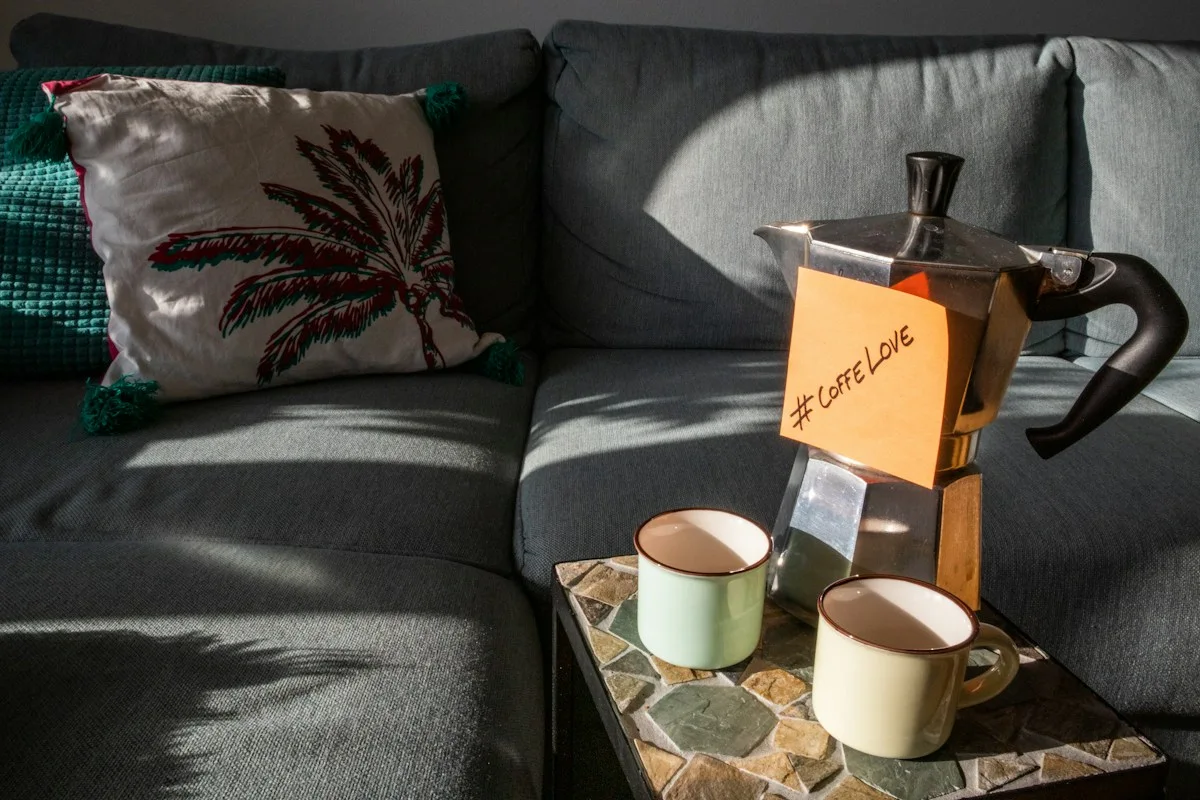
A coaster should be chosen through the cup and surface it will accompany. Colour can make it an enjoyable detail, but the complete setting needs to work for ordinary use. Start with the actual table's requirements and the vessel rather than assuming every coaster performs the same role beneath every drink.
Read the surface's information
Check the furniture maker's care guidance and any relevant restrictions before choosing a protective accessory. Do not assume that placing something between a cup and a table makes every combination suitable. A coaster is one product with its own intended use, not an automatic answer to an uncertain surface question.
Keep the table's actual finish distinguishable from a general material label. A personal guess that it looks like another table is not a care instruction. Seek the relevant maker or supplier information where the important requirement remains unclear.
Compare the complete cup shape
Look at the vessel's base and handle in the position you normally use it. The coaster should provide an appropriate resting place according to the products' requirements, without relying on balancing an unsuitable overhang. Consider how the cup will be picked up and returned, not only whether the colours look coordinated.
The breakfast-corner guide helps connect objects to a real morning. A coaster should support that ordinary sequence rather than make the preferred cup harder to use because the accessory has become the centre of the arrangement.
Keep the surrounding surface useful
Choose a suitable position that does not require reaching across an awkward obstacle. Add the book, notebook or other necessary object expected during the activity and assess the group together. An empty table can make a small accessory look convenient while the occupied surface tells a different story.
The desk-drink boundary guide offers related questions when work materials share the setting. A coaster should not be treated as permission to place a drink among objects whose requirements make that position unsuitable.
What if the coaster fits but the arrangement does not?
Identify whether the problem is the vessel, surface location or the amount placed around it. Another suitable position or a simpler table arrangement may help more than buying a similar coaster with a different pattern. Keep the comparison focused on the actual difficulty rather than assuming the accessory is always the cause.
Follow the coaster's and furniture's care information during and after use, addressing spills through appropriate guidance rather than relying on a decorative object as a universal safeguard. Review an item that appears damaged or no longer suitable before putting it back in the ready place. A thoughtful coaster choice keeps the complete drink setting understandable, leaving appearance as part of a practical arrangement whose requirements and limitations are known.