
Lay Out a Gift Card Message before Writing the Final Copy
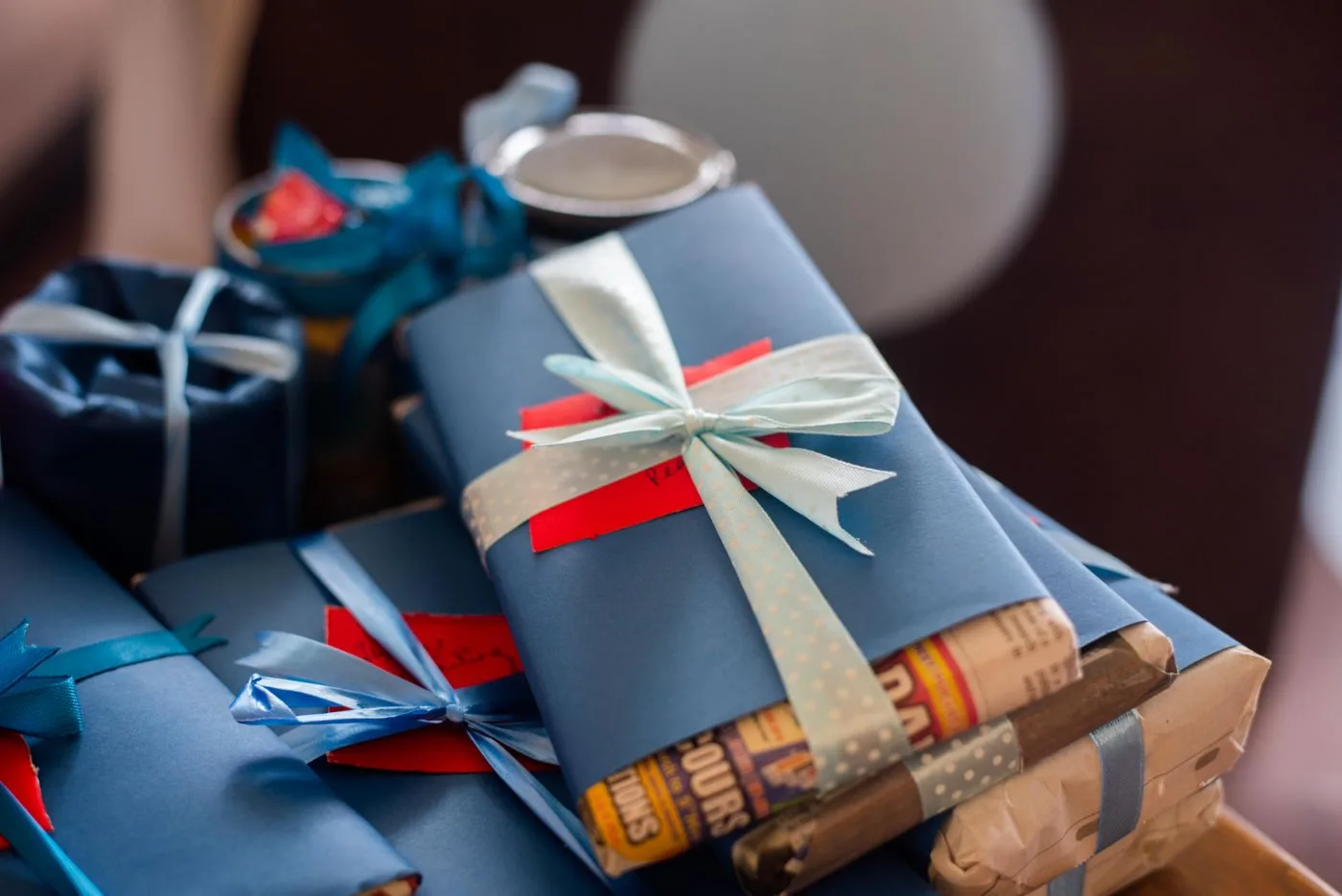
A short gift message can become awkward when the writing reaches the edge of the card before the closing fits. The problem is often layout rather than wording. Make a simple draft that accounts for the usable space before writing the final copy. The aim is a readable personal note, not a decorative performance that demands perfect handwriting or a new collection of materials.
Read the card's actual space
Open the card and identify where the message belongs. Printed wording, a strong design or an unusual fold may affect the useful area. Do not assume that the whole visible surface is available just because the outside looks large.
Keep any supplied product information intact where relevant. If the card accompanies another item, distinguish the greeting from instructions or transaction information that should remain separately accessible. A personal message does not need to absorb every practical detail of the gift.
Draft the words before the lettering
Write the message on ordinary spare paper or in another suitable private place. Check the recipient's name and the names of anyone represented. If the greeting comes from several people, confirm that the wording and signatures actually reflect their agreement.
Keep the message honest. A specific warm sentence can stand without invented memories or grand promises. The layout should serve words you mean, not encourage extra lines merely to fill the card symmetrically.
Mark the line breaks lightly in the draft
Decide where the greeting, main message and closing begin. Leave ordinary breathing space between them rather than treating every empty area as something to fill. A shorter line can be a deliberate break, not evidence that the wording is inadequate.
Allow for the actual size of your writing. A draft typed in a small font may fit neatly while providing little guide to a handwritten page. Use a realistic rough reference rather than calculating the result from an unrelated decorative example.
Keep the final pass uncomplicated
Use the materials appropriately for the actual card. A small test on suitable spare material can help establish the ordinary writing result without making an unsupported promise about every pen and surface. Follow relevant product instructions where needed.
If a mistake occurs, choose a proportionate response. A fresh card, a suitable correction or a simpler presentation may be possible depending on the item. The point is a clear greeting, not proof that a human hand never hesitated.
Check the whole message once
Read the name, body and closing together before enclosing the card. Make sure an organising note or abandoned phrase did not enter the final copy. Let the result remain personal and readable. A small amount of layout planning gives the words enough space to reach their intended recipient without turning the preparation of a kind message into a demanding creative project of its own.
Related reading
Write a Gift Message Around One Specific Memory, Plan Gift-Wrap Offcuts Before Cutting Another Sheet.