
Put Ready Everyday Dishes Where You Can Retrieve Them
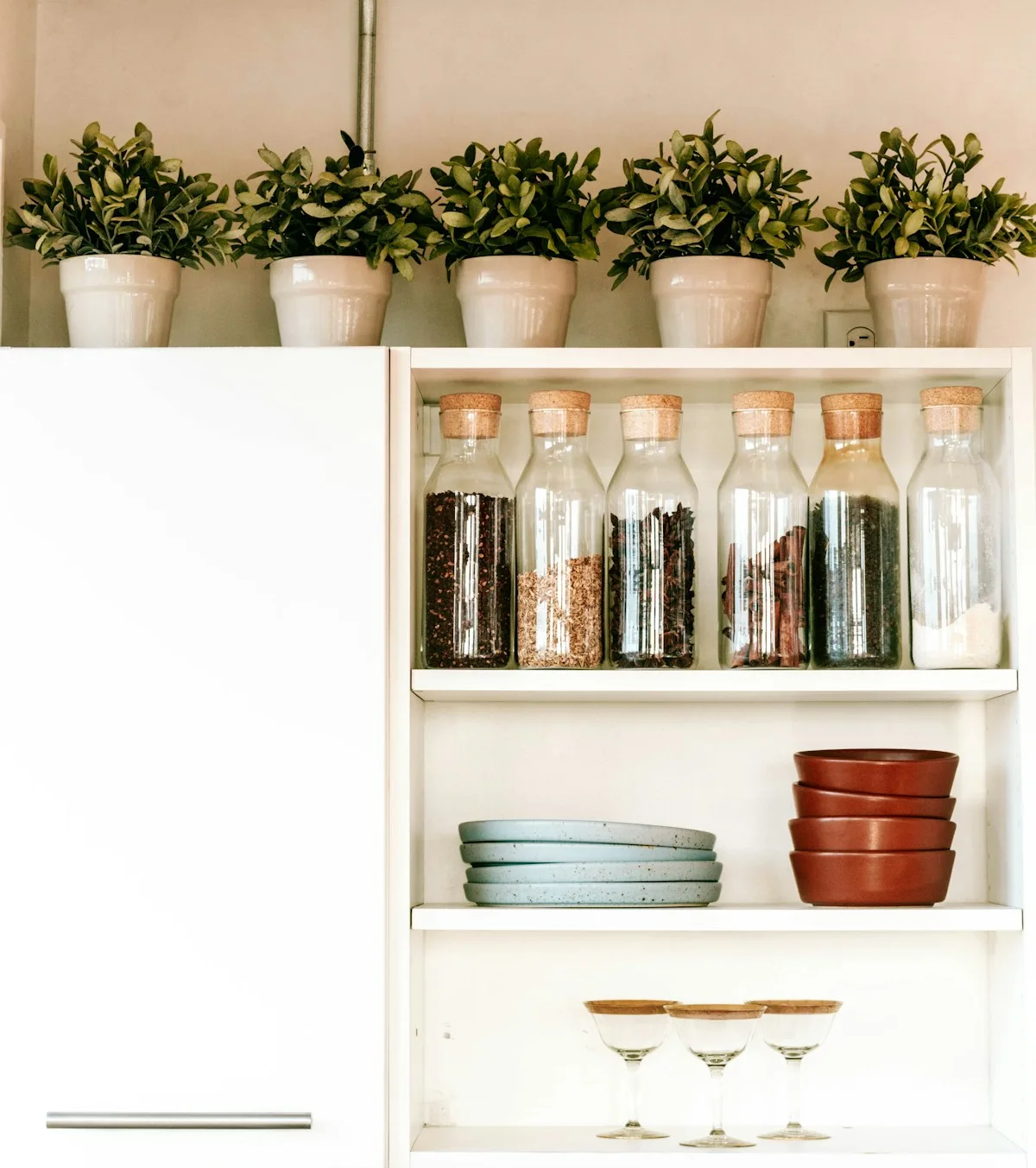
Everyday dishes on an open kitchen shelf should be genuinely ready and comfortable to retrieve. A decorative arrangement can make a familiar cup difficult to reach or blur the difference between display pieces and food-use items. Choose the shelf through actual dish care, suitable support, and the household's ordinary meals.
Identify the dishes in daily use
Select items appropriate for the foods and drinks the household serves. Read material and care information and inspect condition. Decorative ceramics are not automatically suitable for food use, heat, or the same cleaning method as everyday dishes. Keep their purposes clear.
Consider individual requirements, including comfortable handling and any suitable child equipment. A coordinated set may contain items that some household members find awkward. Choose through the people using the dishes rather than expecting everyone to manage the same cup because it looks right on the shelf.
Check support and access
Follow the shelf's installation and load requirements and seek appropriate help for uncertain fittings. Do not assume a visible bracket or attractive board can support a heavy stack. Keep necessary equipment clearances and household access requirements in view.
Retrieve the dishes you use most often from a suitable stable position. Notice whether you must move several pieces first or reach awkwardly. A high shelf may suit an occasional decorative object while being inconvenient for daily plates. Reconsider position before buying another step or organizer to work around the problem.
Keep ready items distinct
Complete the dishes' appropriate washing, drying, and care before returning them. A shelf should not become a place where damp or uncertain items wait because the draining area is full. Make the state clear to anyone sharing the kitchen.
Our breakfast-corner guide helps choose a modest useful collection. A few suitable everyday pieces can be easier to maintain than a large display that requires repeated moving just to make an ordinary meal.
Allow proper shelf care
Use cleaning methods suitable for the shelf material and the items. Remove dishes appropriately when the surface needs attention, following relevant kitchen hygiene guidance. Do not assume that an open arrangement is self-maintaining because every object is visible.
The dinner-for-four table guide helps distinguish the dishes needed for a real gathering from items kept mainly for styling. Occasional serving pieces can have suitable separate storage if that leaves the everyday shelf easier to use.
Should everything on the shelf match? Only if that is your preference and the actual dishes remain suitable. A mixed collection can work well when each item has a clear purpose, appropriate care, and a recognizable place. The useful measure is how comfortably the household retrieves and returns ready dishes, not how uniform the shelf appears in a photograph. Test the arrangement while another person uses the kitchen too.
Planning references: FDA: Safe Food Handling. Confirm current arrangements with the relevant provider.