
How to Host a Clothing Swap That Leaves Everyone Comfortable
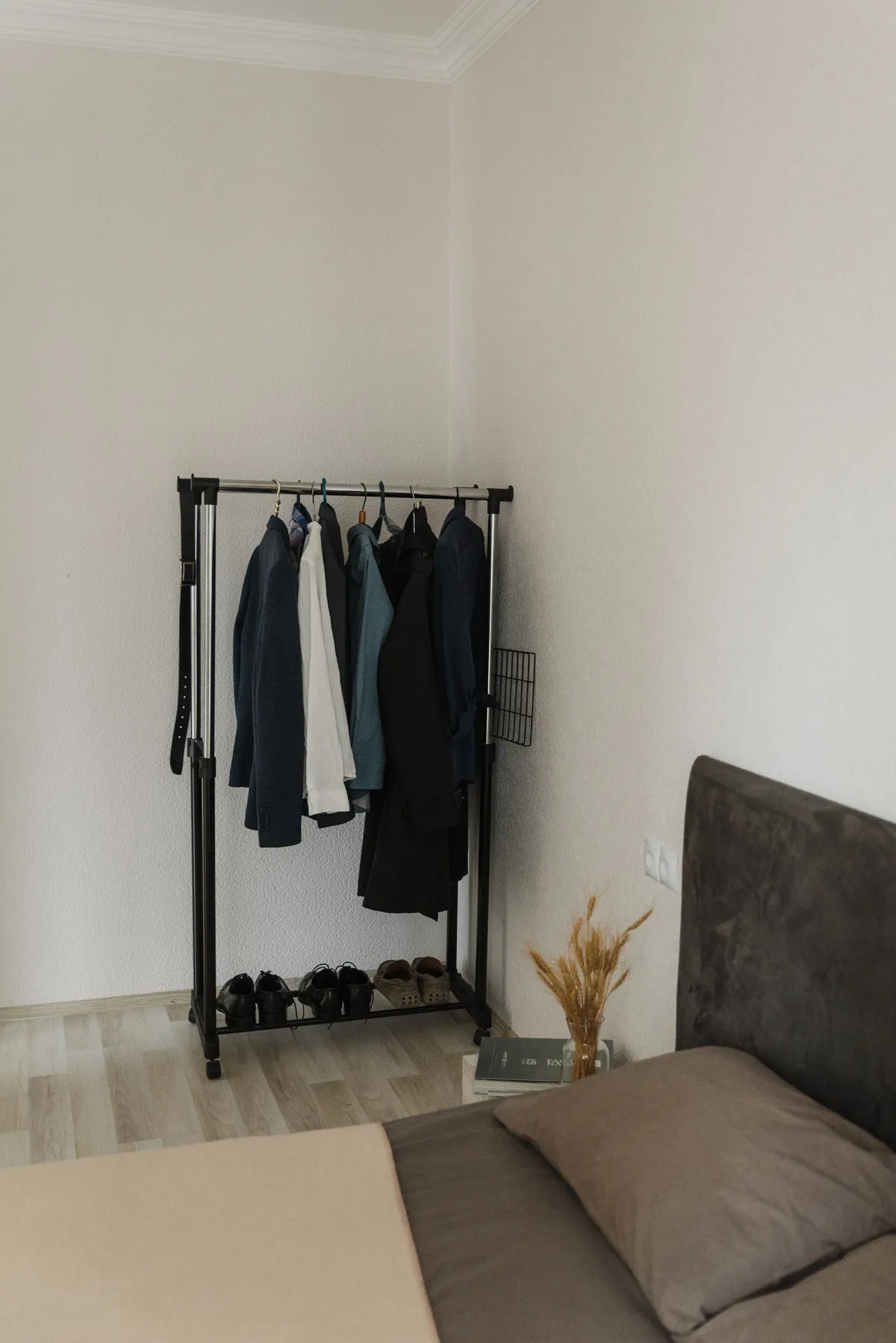
A clothing swap can give unworn pieces another life and create a sociable afternoon without requiring everyone to shop. It works best when expectations are clear before the clothes arrive. Friends can differ in size, taste, budget, and feelings about possessions. A welcoming swap leaves room for those differences instead of turning the table into a competitive bargain hunt.
Start with a small group and a limited category range. Everyday clothes and accessories are simpler to organize than a mixture of furniture, cosmetics, children's equipment, and shoes. Tell guests how much space you have and suggest a manageable number of pieces. Bringing two useful garments should feel as welcome as bringing ten. Participation should not depend on the financial value of someone's wardrobe.
Set condition and hygiene expectations
Ask for clean, dry items in wearable condition, with faults identified. A loose hem or missing button can be acceptable if everyone agrees, but the repair should be explained. Avoid presenting damaged clothes as a surprise project for another person. Leave intimate items and any categories the group finds uncomfortable outside the event; agree those boundaries in the invitation.
Check pockets before the swap, remove personal receipts, and keep any care labels intact. If a garment has an unusual cleaning requirement, mention it. Use simple tags to note size as labeled, fit observations, and visible faults. A label gives a starting point, not a promise of fit, particularly across brands or after alterations.
Choose a fair browsing system
For a relaxed group, a first browsing period with no claiming can reduce pressure. Everyone looks at the available pieces, then chooses in turns or through a simple agreed system. If two people want the same item, decide in advance whether you will draw names or use another neutral method. Clear rules are kinder than improvising a judgment about who deserves a garment.
Do not require guests to exchange equal retail values. Original prices are difficult to verify and say little about current usefulness. If people prefer a token system, explain it before the event and make allowances for guests who want to participate without bringing much. The goal is circulation and conversation, not proving that every person made an equal financial gain.
Make trying on easy to decline
Provide a private space, a mirror, and somewhere to place personal belongings. Keep the route clear and let guests know which rooms are available. Nobody should have to change in front of the group or accept comments about their body. Ask before offering fit advice. Useful feedback describes a garment's behavior, such as a seam pulling when seated, rather than treating the person as the problem.
Encourage guests to try pieces with something they already wear, if they have brought an easy base outfit. Photographing a possible combination can help someone decide, but obtain permission before taking or sharing pictures. The gathering does not need public social-media coverage to be enjoyable. A guest who leaves empty-handed has still participated successfully.
Plan the leftovers before the first arrival
Ask whether contributors want unchosen pieces returned. Keep those items identifiable and set an end time for collection. For everything else, select a realistic next route: another swap, resale by the owner, repair, or an organization that accepts the condition and category. Check the receiving organization's instructions rather than assuming it will welcome every bag.
Avoid leaving one host with an unplanned mountain of clothes and a long donation errand. Divide transport and sorting tasks among willing guests beforehand. If no suitable destination has been confirmed, contributors should take their remaining pieces home. That boundary keeps the event manageable enough to repeat.
Keep the take-home edit small
Before claiming a piece, name a real occasion and two ways to wear it. Check closures, seams, movement, and care. Free clothing still consumes storage and attention. A color you love may justify experimenting, but a garment that needs several new purchases to work can restart the clutter cycle you came to avoid.
What if our sizes differ? Include accessories and make attendance about the social event as well as clothing; do not promise everyone a matching selection. Should the host charge? For a private gathering, agree any shared costs clearly in advance. Can guests bring friends? Only with the host's agreement, because space and expectations matter.
Afterward, wash or care for acquired pieces according to their labels and wear a favorite soon. Note what made browsing comfortable and change one thing next time. Our closet-gap checklist can help with the take-home decisions, while occasion-dress rewear ideas show how a familiar piece can find a new role without a complete wardrobe change.