
Pack Accessories by Purpose, Not by Outfit
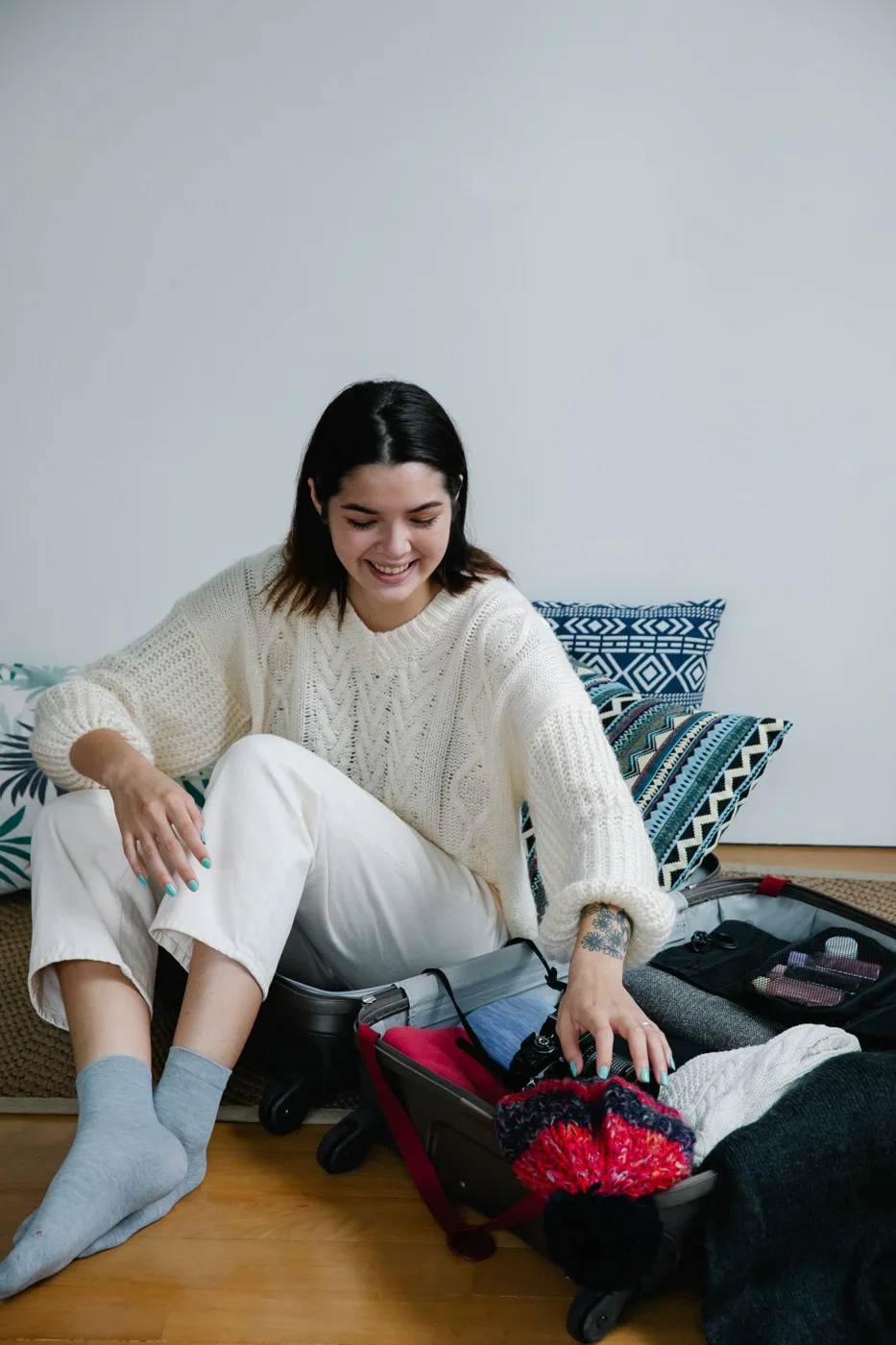
Accessories can quietly take over a small suitcase. A second belt seems harmless, a spare bag folds almost flat, and three pairs of earrings hardly look like luggage. Together they become a pile of decisions to manage every morning. Packing them by purpose gives each item a reason to travel.
The method is straightforward: identify what an accessory needs to do, choose the version that works across the most planned outfits, and leave near-duplicates at home. This is not a rule against enjoying jewelry or bringing a special bag. It is a way to make a deliberate choice instead of packing a separate collection for every outfit.
Write down the actual jobs
For a casual four-day trip, the list might include carrying daily essentials, holding a trouser waistband comfortably, adding warmth outdoors, and dressing up one evening look. Those are four jobs, not an automatic instruction to bring four accessories. Your everyday bag might also work for dinner, and the trousers may not require a belt at all.
Try the outfits before deciding. A belt packed from habit may turn out to be the wrong width for the loops. A scarf that matches every top may feel bulky under your coat. Check accessories on your body with the clothes and outerwear they will accompany. Compatibility is easier to judge in a mirror than in a suitcase the night before departure.
Choose the main bag by contents
Place the real contents beside the bag: phone, wallet, necessary documents, glasses case, and anything else you carry daily. Add a water bottle only if you genuinely intend to carry one there. Check closure, strap adjustment, and access while wearing your coat. A bag that looks roomy in a product photograph may have a narrow opening or divided interior that does not fit your essentials.
A crossbody is convenient for keeping hands free, but some people dislike its pressure over the shoulder. A tote can accommodate a layer but may become heavy or leave valuables exposed. A backpack spreads the load but makes quick access less direct. Choose the tradeoff you can live with. There is no universal best travel bag independent of what you carry and how you move.
Give a second bag a clear assignment
A small evening bag earns its space when the main bag is too bulky or unsuitable for a real reservation. A beach tote earns its space when it can handle a towel and damp surroundings. A second everyday bag in a slightly different color may be pleasant, but it is a preference rather than a practical need.
If you bring two bags, see whether one can store the other without distorting either. Do not assume a structured bag will recover from being flattened. Protect delicate finishes from buckles and toiletries. Before buying a folding bag, look at the handle comfort and closure when filled; compact storage is only useful if the bag works during the activity it was bought for.
Edit jewelry around comfort and handling
Pick a small group you already wear comfortably: perhaps daily earrings and one necklace or a second pair for dinner. Match pieces to necklines, but also consider fastenings, tangling, and the chance of loss. A difficult clasp becomes less appealing in a room with dim lighting and a rushed departure.
Keep pieces separated in existing small pouches or a compact organizer. A large jewelry case may protect items well but use more space than the jewelry itself. Avoid carrying irreplaceable pieces unless you are comfortable with the travel arrangements and relevant insurance conditions. Do not leave valuables loose in an open side pocket or assume a hotel room removes all risk. Pack with the same care you would use for other important belongings.
Make scarves and belts pass the overlap test
Lay a scarf beside the outer layer, tops, and bag. If it works across the group and suits the forecast, one may be enough. A second scarf can be justified by a different purpose, such as a lighter dress accessory, but should not be mistaken for additional weather protection unless its construction supports that role.
For belts, confirm length, width, buckle weight, and comfort while seated. A reversible belt may seem like two options in one, but only helps if you like both sides and the mechanism is straightforward. An ordinary belt you wear often may be more useful. If the trousers fit without one and you do not want the visual detail, leave it off the list.
Buy only after a rehearsal
Pack the clothes and accessories together, then dress for the most demanding day. Carry the bag with its contents, wear the intended jewelry, and put on the outer layer. Notice the friction points: a necklace catching on a knit, a scarf crowding the collar, or a buckle pressing beneath a seat belt.
Write the specific issue down before shopping. Look for a strap length that suits your coat, a pouch that fits inside the existing bag, or a scarf in the thickness you actually need. Check measurements and return conditions. Avoid buying a coordinated accessory set merely because it looks complete on a product page; the missing piece in your plan may be something much smaller.
The five-minute packing edit
Set out the main bag, any necessary second bag, daily jewelry, one optional evening change, and weather accessories. Remove one duplicate and check whether any planned activity becomes difficult without it. If nothing changes, that item was probably reassurance rather than equipment.
Leave room for personal style. A colorful scarf that makes every outfit feel more like you can be a good choice even if it is not strictly essential. The aim is to know why it is coming. For more ways to simplify a trip without making it joyless, explore our travel wardrobe guides and latest articles.