
Prepare an Early-Start Outfit Without Guessing Tomorrow's Mood
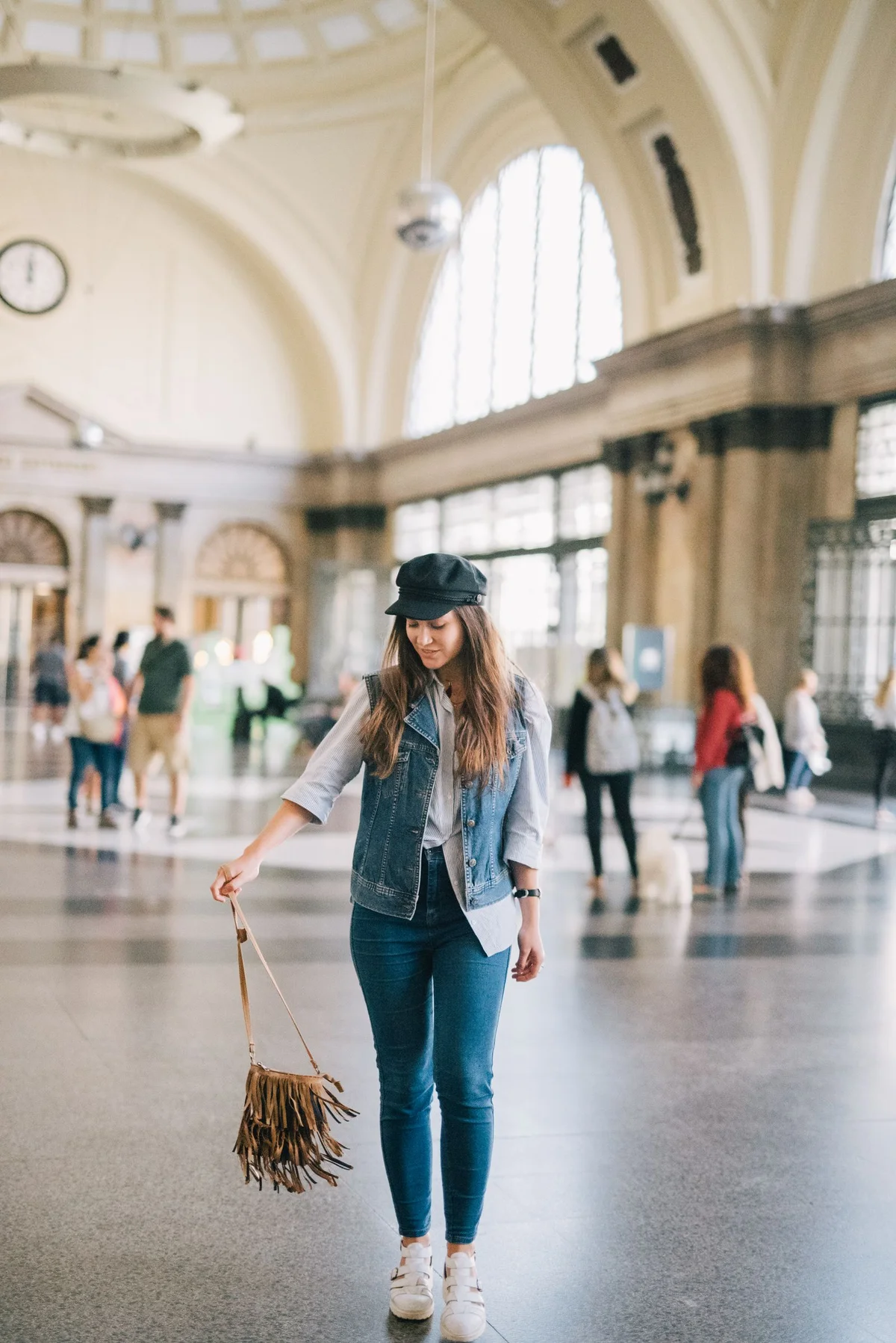
An early departure compresses all the decisions you would normally make over coffee. The weather may feel different, the room may be dark, and a missing sock can consume the time you meant to use for breakfast. Preparing an outfit the evening before helps, but a rigid plan can fail if the temperature changes or the first combination simply feels wrong when you wake up.
Prepare a dependable base and one meaningful alternative. The base should suit the activity and travel involved, while the alternative handles the uncertainty you expect: a warmer layer, different shoes, or another top. This gives you flexibility without opening the entire wardrobe at five in the morning. The aim is fewer decisions, not a rule that prevents changing your mind.
Begin with the first hour outside
Think through leaving the house, reaching transport, and arriving at the first destination. A walk to a station may need different footwear from the event later in the day. Decide whether you will change shoes and, if so, where the spare pair will travel. Check any role-specific or venue dress requirements rather than relying only on the appearance you want.
Look at a current weather forecast when preparing and check again before leaving if conditions matter to your journey. Choose layers for the expected range and make the adjustable piece easy to remove. A cardigan buried beneath luggage does not help when the carriage becomes warm. Keep outerwear and any rain protection with the rest of the departure items.
Check the full outfit in the evening
Try on the complete combination when you have time. Include underwear, socks, shoes, and the outer layer. Sit down, walk, reach, and carry your bag. An outfit that looks good on the bed may reveal a gaping fastening, an awkward hem, or sleeves that bunch beneath the coat. Fix the concrete issue now instead of leaving a mental reminder.
Inspect for marks and care needs in suitable light. Avoid starting a last-minute cleaning process that the garment's instructions do not support. If something needs more work than the evening allows, select the alternative. Reliable preparation depends on clothes that are ready, not a hopeful plan to dry or press them while the taxi waits.
Make a compact departure zone
Place the outfit together where it can remain clean and dry. Hang pieces that need it and keep small items in a defined place. Avoid using the floor if pets, moisture, or household traffic make that unsuitable. Put shoes where you can reach them without waking someone or searching another room.
Keep keys, tickets or travel documents, and your bag in their appropriate secure locations, with a short reminder if something must stay elsewhere overnight. The outfit system should connect to leaving the house rather than become a separate decorative display. A note that says charger, lunch, and medication can be useful where those are your actual morning needs; follow any relevant storage instructions.
Choose the alternative precisely
Identify what you are uncertain about. If the concern is warmth, add a layer instead of assembling another complete outfit. If the main trousers sometimes feel uncomfortable on long seated journeys, prepare a different pair that works with the same top and shoes. One targeted choice reduces the chance of a growing pile of rejected options.
Avoid preparing an outfit solely for how you wish the day would feel. A delicate shoe is unlikely to become comfortable on a long walk because it matches beautifully. A fitted jacket will still need room for movement. Use evidence from clothes you have worn successfully, especially when the start time leaves little space for experimentation.
Leave a realistic morning margin
Set out what you can and accept that some tasks remain. Getting dressed, checking conditions, and collecting refrigerated food still take time. Allow a small margin instead of filling every minute with an optimistic schedule. If another household member shares the departure space, agree where your items will be and keep their route usable.
After the trip, note what worked. Perhaps you needed a lighter layer, more accessible pockets, or a different bag. Save that observation for the next early start rather than blaming the whole outfit. A small adjustment to a proven formula is often more effective than replacing every component.
Should I wear the same travel outfit repeatedly? If it is clean, suitable, and comfortable, repetition can make preparation easier. What if my mood changes? Use the targeted alternative and keep the dependable base. Do I need special travel clothing? Start with the actual activity and any requirements; ordinary clothes may already meet them.
Our long-train outfit guide explores seated comfort, while the Sunday wardrobe reset helps keep reliable pieces available. An early-start outfit succeeds when it supports leaving calmly and remains comfortable after the departure is over.