
Give a Reading Stack One Clear Next Book
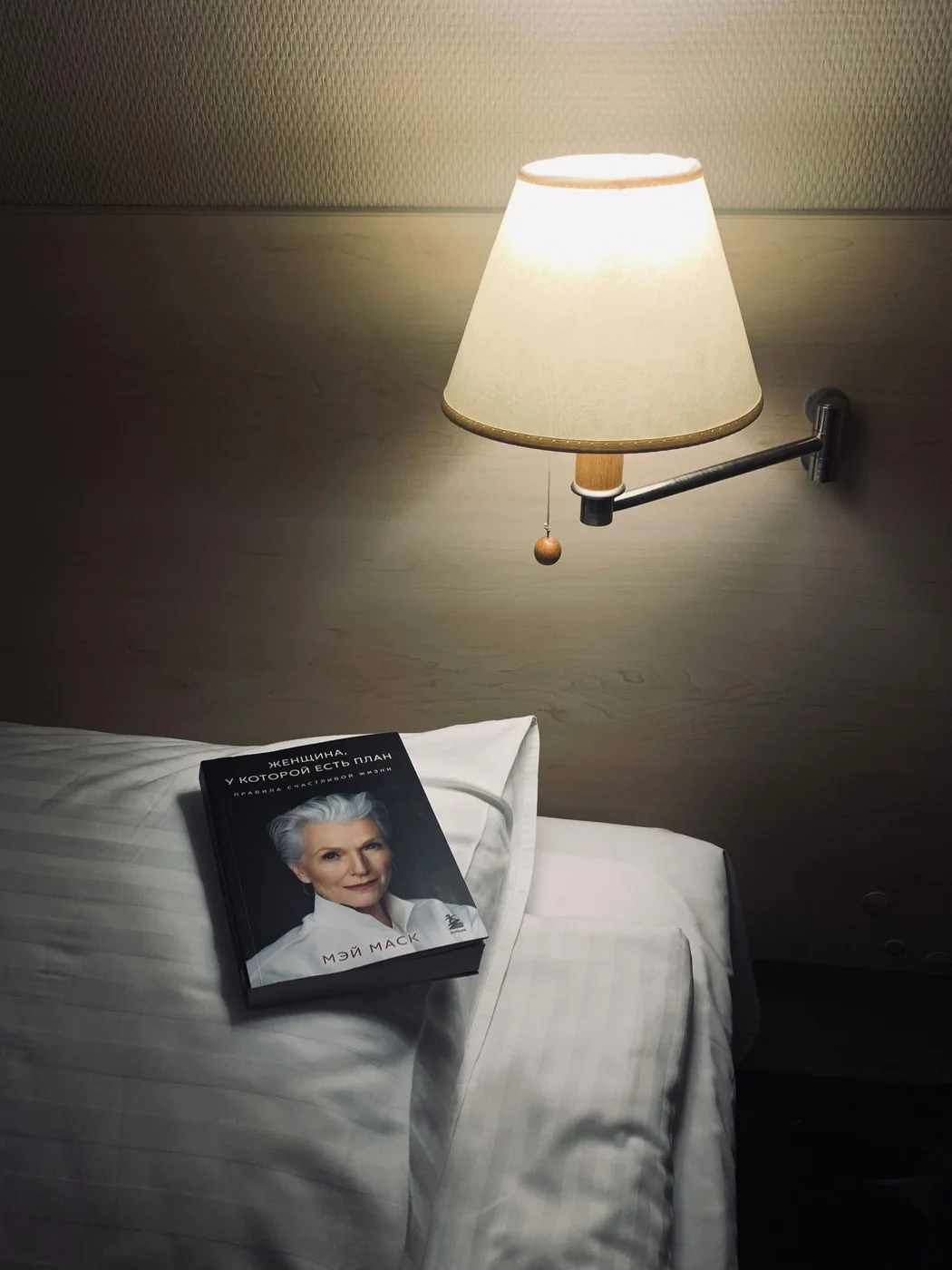
A reading stack can begin as a collection of possibilities and gradually feel like a queue that must be completed in order. The book on top is not necessarily the one you want to open next. Give the pile one deliberate next choice while leaving the others as options. The aim is easier access to reading, not a system that makes every owned book a personal obligation with an invisible deadline.
Separate ownership from intention
Look at the actual books and ask which are actively being considered. A borrowed copy, a gift and a book kept for reference may have different reasons for being nearby. Do not treat their shared physical location as proof that they all belong to the same reading plan.
Keep borrowed items and their return arrangements identifiable. Choosing another book next does not remove an existing responsibility to the lender. Resolve that practical task separately rather than letting a stack conceal it.
Choose for the available reading occasion
Think about the next ordinary opportunity to read. A short seated pause, a longer evening and a journey can call for different formats or levels of attention. Use the actual book information where needed rather than guessing its contents from a decorative cover.
The choice can follow interest as well as practicality. There is no requirement to select the most serious-looking volume or finish the oldest purchase first. A reading stack should support the person who will use it, not display an ideal version of their habits.
Make the next choice physically clear
Place the chosen book in an appropriate accessible position without creating an unstable or unsuitable arrangement. Follow relevant storage and handling guidance for the actual objects and space. A styled bedside image is not a universal model for every household.
Keep the distinction simple. One chosen book and a small group of alternatives may be enough. An elaborate ranking system can recreate the same pressure the exercise was meant to reduce.
Give unfinished reading an honest status
A book can be paused, returned to later or set aside. Record a useful page or section reference if you actually intend to continue, but do not call every abandoned bookmark an active project. The difference helps keep the next choice visible.
If a reading group or another real commitment affects the plan, keep that scope clear. A personal stack and an agreed shared reading task can coexist without being treated as identical obligations.
Review when the choice changes
After finishing or setting aside the chosen book, make the next decision deliberately. The order can change as interest and circumstances change. A small note about what you want to return to may help, but the system does not need to predict months of reading. One clear next book is enough to turn a pile back into a useful set of possibilities, leaving the pleasure of opening a page more prominent than the weight of everything not yet read.
Related reading
Keep Reading Notes for One Useful Purpose, Give Borrowed Books Their Own Shelf Position.