
Keep Household Reference Notes Connected to Their Sources
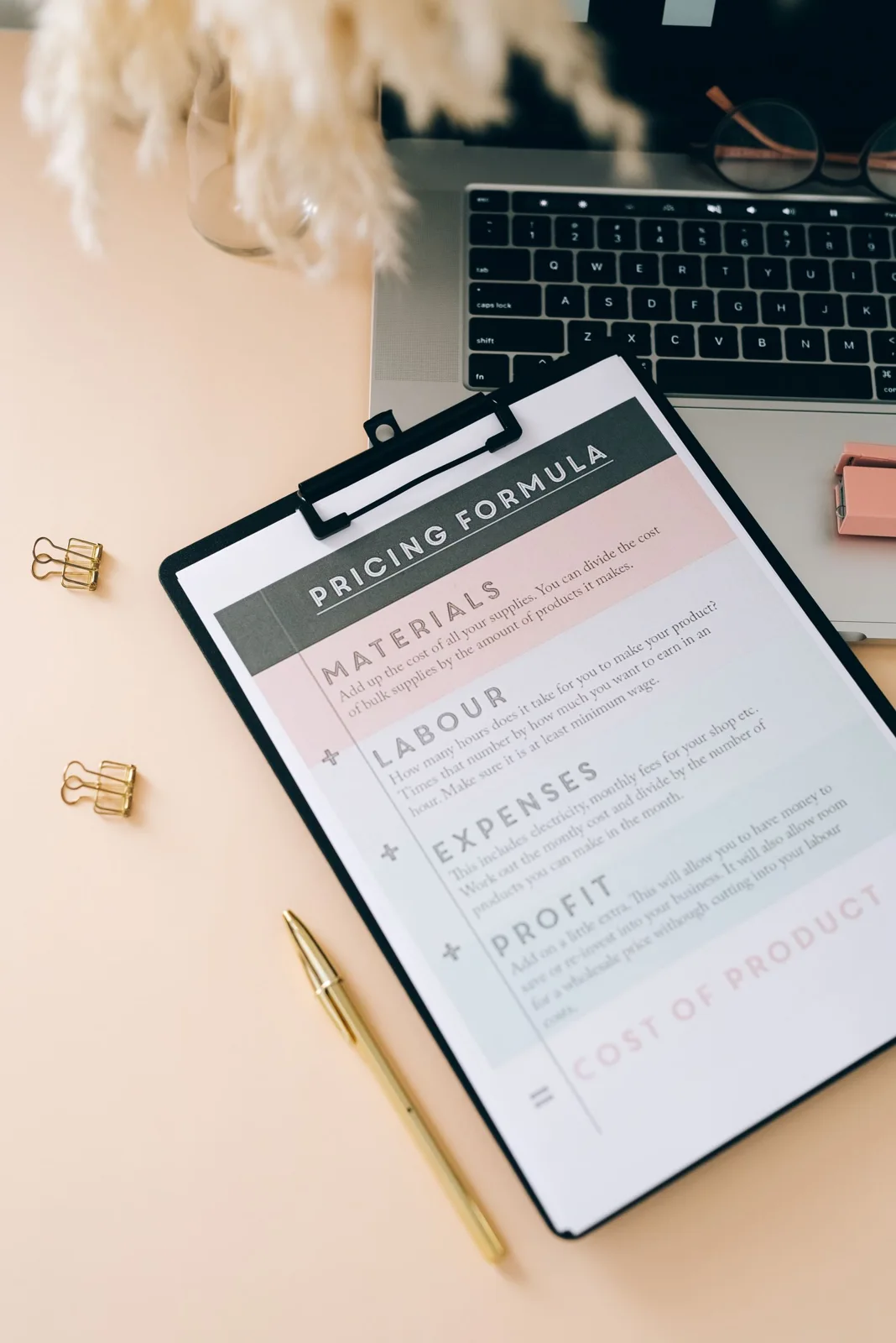
A household reference note is useful only while you can tell what it refers to and where its information came from. A clipped instruction or a copied sentence can lose that connection surprisingly easily. Keep the source and the task together so the note remains a practical aid rather than an unexplained rule pinned beside the desk.
Name the object or task first
Give the note a clear subject. The actual appliance model, a particular room arrangement or a named household process is more useful than an isolated heading such as instructions. Similar objects may have different requirements, so avoid allowing a shared appearance to stand in for identity.
Decide who needs the note. A reminder for your own routine can use familiar language, while a handover to someone else needs enough explanation to avoid guessing. Do not add private account details simply because a page has spare room.
Preserve the source connection
Record where the information came from and enough identifying detail to retrieve the original. A maker's document title and model reference can be more dependable than a cropped image with its heading removed. Keep an online reference as a link when useful, while recognizing that access may need checking later.
The small purpose reading notes guide helps distinguish a summary from the original material. Your note should say when it is a personal reminder rather than presenting a shortened sentence as the complete instruction.
Separate facts from household choices
Mark your own arrangement clearly. Keeping a particular item on a certain shelf may be a household preference, while its actual use and care depend on the relevant product information. Blending the two can make a flexible choice look like a requirement or conceal an important condition in informal language.
If the note contains an unresolved question, state it directly. Do not allow a blank space to acquire an answer through repetition. A visible check model before use prompt is more honest than copying instructions from an object that merely looks similar.
Make updates traceable
When something changes, update the note and retain the source reference. Remove obsolete copies from the places where people would actually look, rather than leaving competing versions on a cupboard door and in a shared folder. Date a household arrangement when its timing helps someone understand which version applies.
The product receipt match can help establish which item a document belongs to. Keep purchase records and practical notes connected without exposing personal transaction information to everyone who needs a simple instruction.
Test whether another person can understand it
Ask the intended reader what they think the note means. If they cannot identify the item or find the source, revise the note before treating the task as handed over. The goal is a clear route to the information, not an impressive page full of compressed detail.
Remove a reference when the object leaves the household or the task no longer exists. A small, maintained collection is easier to trust because each note still has an identifiable purpose and a source you can return to.