
A Small Flower Arrangement That Leaves Room for Everyday Life
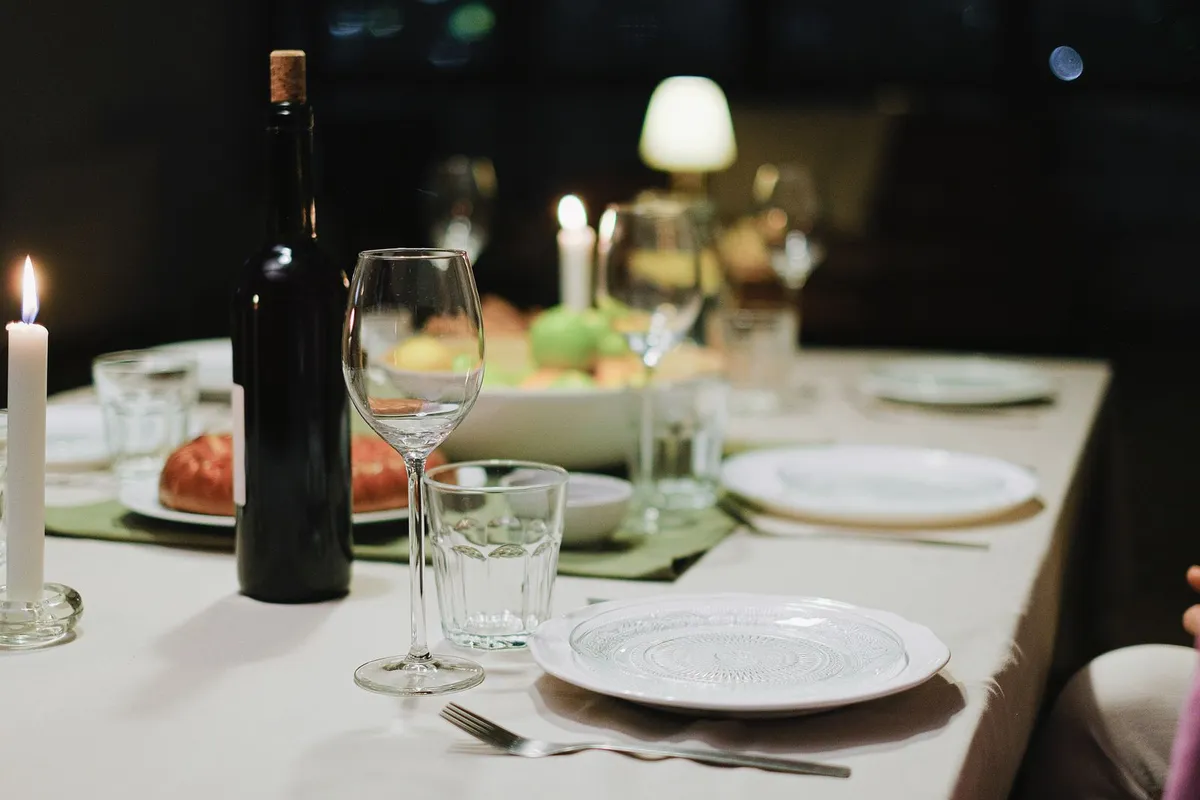
Flowers can make an ordinary table feel cared for, but the arrangement needs to leave space for whatever the table does next. A dining surface might hold breakfast, paperwork, and a shared evening meal within the same day. A compact vase with a few well-chosen stems can be easier to live with than a large bouquet that must be moved every time someone sits down.
Start with the table, not the flowers. Note the available footprint, the height of seated sightlines, and whether children or animals can reach the arrangement. Choose plant material appropriate to the household and check any relevant toxicity concerns with an authoritative source before bringing unfamiliar plants inside. If you cannot establish suitability, select another decorative option.
Use a vessel that supports the job
Choose a stable, watertight container with an opening suited to the number of stems. A wide opening can make a small bunch spread out and collapse; a narrower neck may support it without extra materials. Check that the vessel sits securely and will not mark the table. A protective layer can help with moisture, but inspect beneath it regularly rather than assuming the surface stays dry.
Clean the container before use and follow the flower supplier's care instructions. Keep any floral treatment products away from children and animals and use them only as directed. A clear glass vase makes the water level easy to see; an opaque one can be equally useful if you remember to check it. Appearance should work with maintenance rather than conceal it.
Choose a small palette and varied shapes
Select one main flower or color family and add a modest supporting element if you want it. Variation can come from stem direction, leaf shape, and height rather than many competing varieties. Ask the seller about the care needs of the chosen stems and whether they suit sharing a vase. Avoid assuming every attractive combination has identical requirements.
Buy a quantity the vessel can hold without crushing the stems together. A smaller purchase can look deliberate when the vase is appropriately sized. If you already have a larger bouquet, divide it into several suitable containers instead of forcing everything into one. Position the additional arrangements where they can stand safely and receive appropriate conditions.
Build the shape gradually
Prepare the stems according to supplier guidance and use suitable clean tools carefully. Remove foliage that would sit in the water where instructed. Work over a surface that can handle cuttings and moisture. Begin with a few stems that establish the outline, then add the focal flowers one at a time, rotating the vase to check the view from different seats.
Keep the arrangement low enough for comfortable conversation when it will remain during meals. Sit at the table to check; standing above it gives a misleading impression. If a tall arrangement is your preference, give it a different home during dinner. Leave room for serving dishes, elbows, and the ordinary movement of people using the table.
Choose the position with care
Avoid a location where the vase could be knocked over by a passing bag or an opening window. Keep it clear of electrical equipment and follow guidance on heat and sunlight for the selected flowers. Do not place decorative foliage where it will touch food. For a working table, a small tray can make moving the arrangement easier, provided the tray itself is stable and manageable.
Take the actual household routine into account. If the vase must move three times every day, decide whether another location would be better. A shelf or side table may deliver the same pleasure without repeated handling. The purpose is to enjoy the flowers, not to prove the dining table can always look arranged.
Maintain and simplify
Check the arrangement regularly and refresh it according to the care instructions. Remove deteriorating material and clean the vessel when needed. If one type of stem fades before the rest, rearrange the survivors into a smaller container. Do not keep an untidy, neglected bouquet solely because discarding it feels wasteful; learn from the quantity and care demands next time.
Do I need florist equipment? A suitable vase and basic appropriate tools can be enough for a simple arrangement. Can I use garden cuttings? Identify them, check household suitability, and obtain permission where needed. What if flowers are impractical? A favorite bowl, a textile, or an uncluttered surface can provide a welcoming focal point without plant care.
Our dinner-for-four table guide helps reserve enough working space for a meal. For another small everyday pleasure, see the breakfast-corner guide. A useful arrangement feels considered because it fits the room and the people using it.