
Choose One Small Still-Life Frame before Drawing
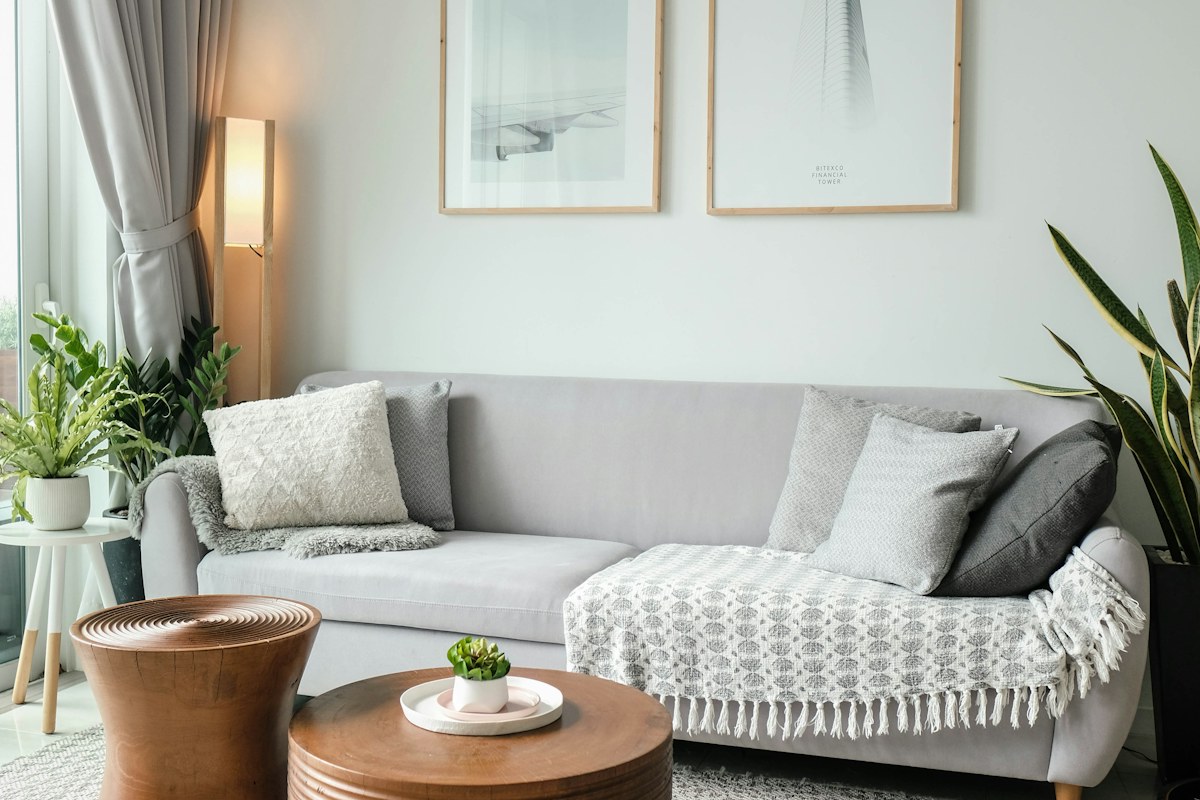
A room contains more possible drawing subjects than one small page can comfortably describe. A cup, plant and low table may be enough, yet the eye keeps adding the sofa, picture frames and window beyond. Before drawing, choose a small still-life frame. The boundary gives the sketch a clear subject without requiring the room to become a perfect studio or every visible object to earn a place on the page.
Choose what you want to notice
Name one visual question: the overlap of two shapes, a dark object against a pale background or the space between a plant and a table edge. A specific question gives the session a direction. It need not become a finished work or a test of technical skill.
Use objects and a position appropriate to the actual room. Do not move fragile, borrowed or unsuitable items merely to reproduce an inspiration image. A useful study can begin from an ordinary arrangement already available.
Make the frame smaller than the room
Look at a limited area and decide its boundaries before adding detail. You can use a simple mental rectangle or another suitable reference method. The frame is a compositional choice, not an instruction to include everything visible beyond it.
Check what touches the edge. A partial object can be intentional when the boundary is clear, while an accidental fragment may distract from the shape you meant to study. Adjust the view rather than endlessly rearranging the household objects.
Notice the spaces around the objects
Look at the gaps as shapes in their own right. The space beneath a handle or between two objects can help locate the objects more clearly than naming every feature they contain. This is a way of looking, not a requirement to produce exact technical measurement.
Begin with the larger relationships before small marks. If the table edge and main object occupy the intended parts of the page, later detail has a clearer context. A carefully drawn small feature cannot by itself settle an uncertain overall arrangement.
Keep light and time in context
Notice the light as it actually appears during the session. If it changes, decide whether to continue from the original observation or acknowledge the new state. There is no need to claim the drawing records one perfectly fixed moment when the room did not remain unchanged.
Use materials appropriately and keep the working area suitable for the people sharing it. A modest sketch should not leave another person's surface occupied indefinitely without agreement.
Finish with a useful observation
At the end, note what the small frame helped you see. You might keep the study unfinished or try another boundary next time. The value lies in the deliberate act of selecting and looking, leaving the room as a source of ordinary visual interest rather than a scene that must be completely described before a drawing can count as worthwhile.
Related reading
Draw One Small Part of the View from Your Balcony, Keep One Comfortable Chair Available Between Household Tasks.