
Borrow a Kitchen Utensil with an Understood Care Handover
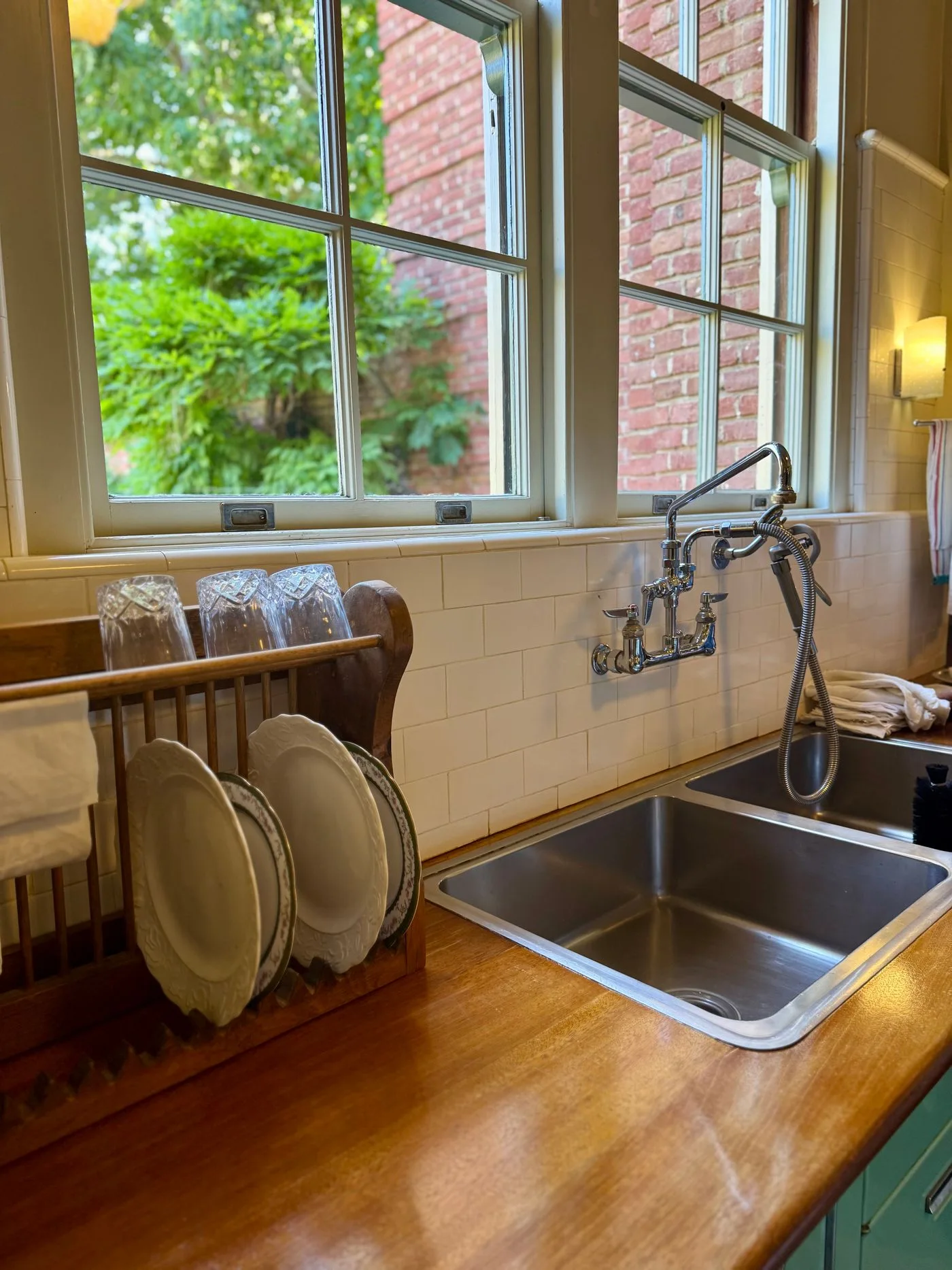
Borrowing a kitchen utensil works best when the handover includes more than the object. The owner may have a particular storage arrangement, a product-specific care requirement or an accompanying part that is easy to miss. Settle those details before taking it home so an ordinary meal does not create a confused return.
Explain what you intend to do
Tell the owner the task and the likely length of the loan. Ask whether the utensil is suitable for that use rather than assuming a familiar shape makes every version interchangeable. If the intended recipe or event changes, reconsider the agreement before using the borrowed item differently.
Clarify whether the owner is lending only the utensil or also a stand, cover or other component. Lay out the collection together when that helps distinguish it from similar objects you own. A simple note of the supplied pieces makes the later handover easier to complete.
Ask about care before use
Request the actual product information or the owner's clear direction based on it. Do not promise a cleaning method before establishing whether the item permits it. A utensil that resembles one in your own drawer may have different materials, joins or finishes.
The kitchen handover guide helps think about the whole task. Completion includes an understood state after cooking, rather than assuming that returning something quickly is enough regardless of how it was handled.
Keep borrowed and household pieces distinct
Choose a temporary place where the utensil will remain identifiable and appropriately stored. Avoid moving it among a large collection of similar tools if you may later struggle to identify the correct one. Keep its accompanying instructions available without exposing the owner's private information.
If another household member may use it, explain the permission and care arrangement first. The loan does not become an unrestricted communal object merely because it is sitting in a shared kitchen. A person who does not know the agreement cannot reasonably be expected to follow it.
Resolve uncertainties without improvising
If something unexpected happens, pause and contact the owner about the next step. Do not attempt an unapproved repair, abrasive treatment or replacement based only on appearance. A visually similar utensil may not be the object the owner chose or expects back.
The ready dishes shelf guide offers a useful distinction between access and readiness. An object being within reach does not establish that you understand its condition or that it is ready for the intended task.
Finish with an agreed return
Confirm when the owner wants it back and what the return should include. Allow enough time for the understood care process instead of discovering a conflict as you leave for the handover. Check the supplied components against the original note before packing them together.
Tell the owner about any concern plainly, even if it seems small. Once the loan is accepted back, remove the temporary kitchen reminder. The useful result is a complete, clearly understood exchange that makes another shared meal or borrowed tool comfortable to discuss.