
Check a Curtain Offer’s Panel Quantity before Comparing
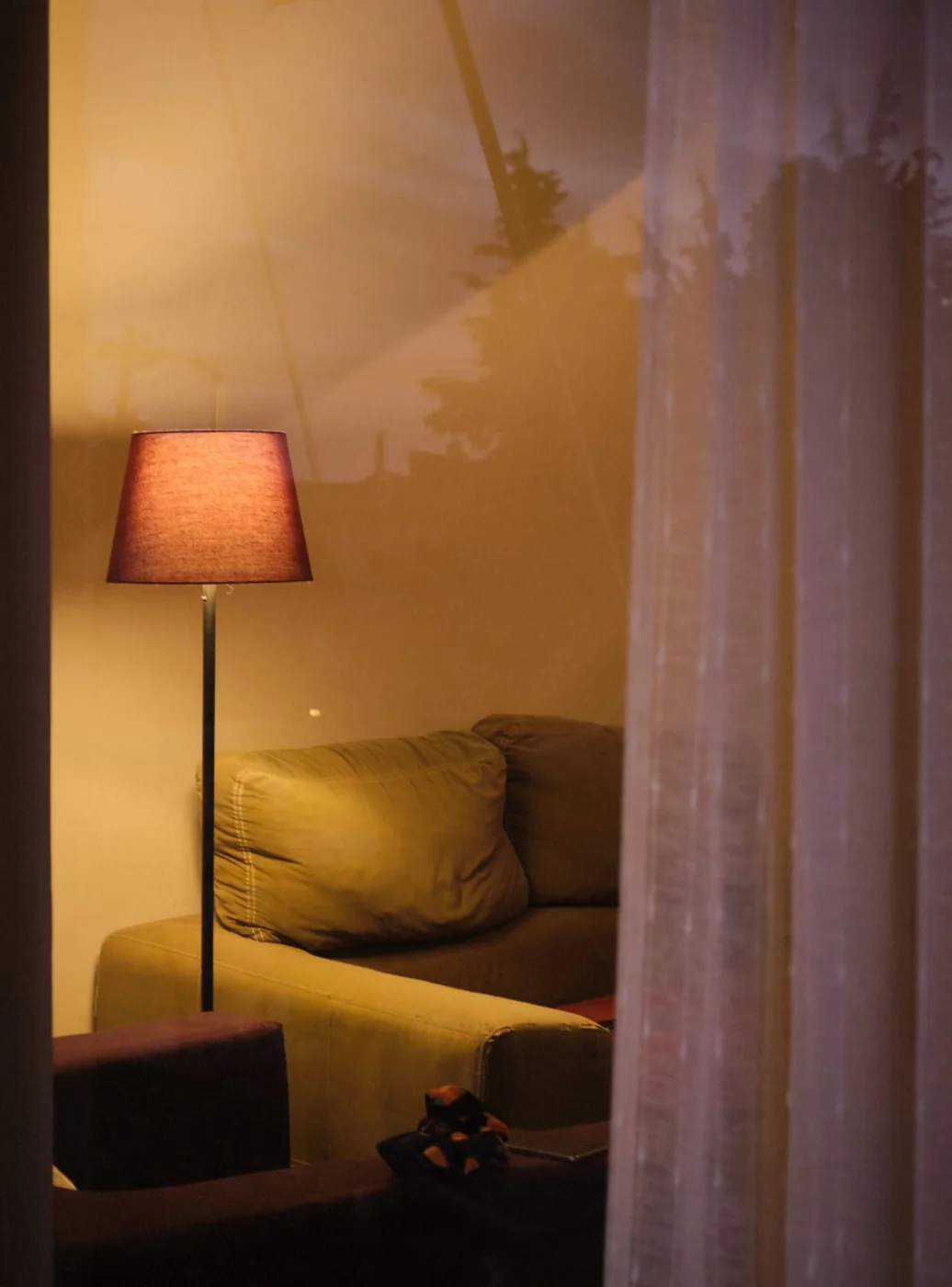
A pair of curtains in a photograph can accompany an offer for one panel. The visual balance of the window makes two pieces feel implied, even when the selected package says otherwise. Before comparing candidates, write down the unit being sold and the quantity included. This is an offer-reading exercise rather than a fitting formula: the actual window, hanging system and installation requirements need their own reliable guidance.
Start with the package, not the room
Read the selected option as a physical purchase. One panel, a pair and a larger set are different quantities. If several packages share a gallery, keep the exact selection with your note rather than assuming the first image describes every version.
Separate accessories from panels. A pole, track, tieback or decorative fitting may appear in the scene without belonging to the package. The picture can show a complete room while the transaction covers a much smaller part of it.
Preserve per-panel and combined wording
If a width is stated per panel, keep that label. If the source supplies another measuring basis, preserve that instead of silently converting it into the one you expected. A figure stripped of context can become misleading when copied into a comparison table.
For example, two candidates may both be described with the word pair while one note has accidentally copied a single-panel measurement and another a combined figure. The apparent difference may come from the record rather than the products. Return to the actual source before drawing a conclusion.
Keep the heading arrangement separate
The top construction and intended hanging system are another field, not a detail that quantity settles. Similar-looking fabric can be offered in versions intended for different arrangements. Do not infer compatibility from a gallery that crops the upper edge out of view.
Use appropriate safety, fitting and installation guidance for the actual products and setting. A decorative image cannot establish technical suitability. If that point is uncertain, identify the question rather than improvising a solution to make an attractive option seem ready.
Compare colour only after scope is clear
A colour may work beautifully with an existing sofa while the package still fails to describe the intended purchase. Establishing contents first prevents a preferred shade from carrying unresolved assumptions about quantity and components.
Keep visual observations modest. Screens and lighting can change appearance, and a sample process should be used only where the actual supplier offers one. Do not invent a guarantee that the room will reproduce the gallery exactly.
Save a readable candidate record
Use separate fields for package quantity, dimension labels, heading and supplied extras. Mark missing information instead of substituting a familiar convention. The comparison becomes useful when every candidate describes the same kinds of facts, leaving the final choice based on an understood offer rather than the quiet assumption that two curtains pictured must mean two curtains purchased.
Related reading
Keep Household Reference Notes Connected to Their Sources, Welcoming an Overnight Guest When You Have No Spare Room.