
Welcoming an Overnight Guest When You Have No Spare Room
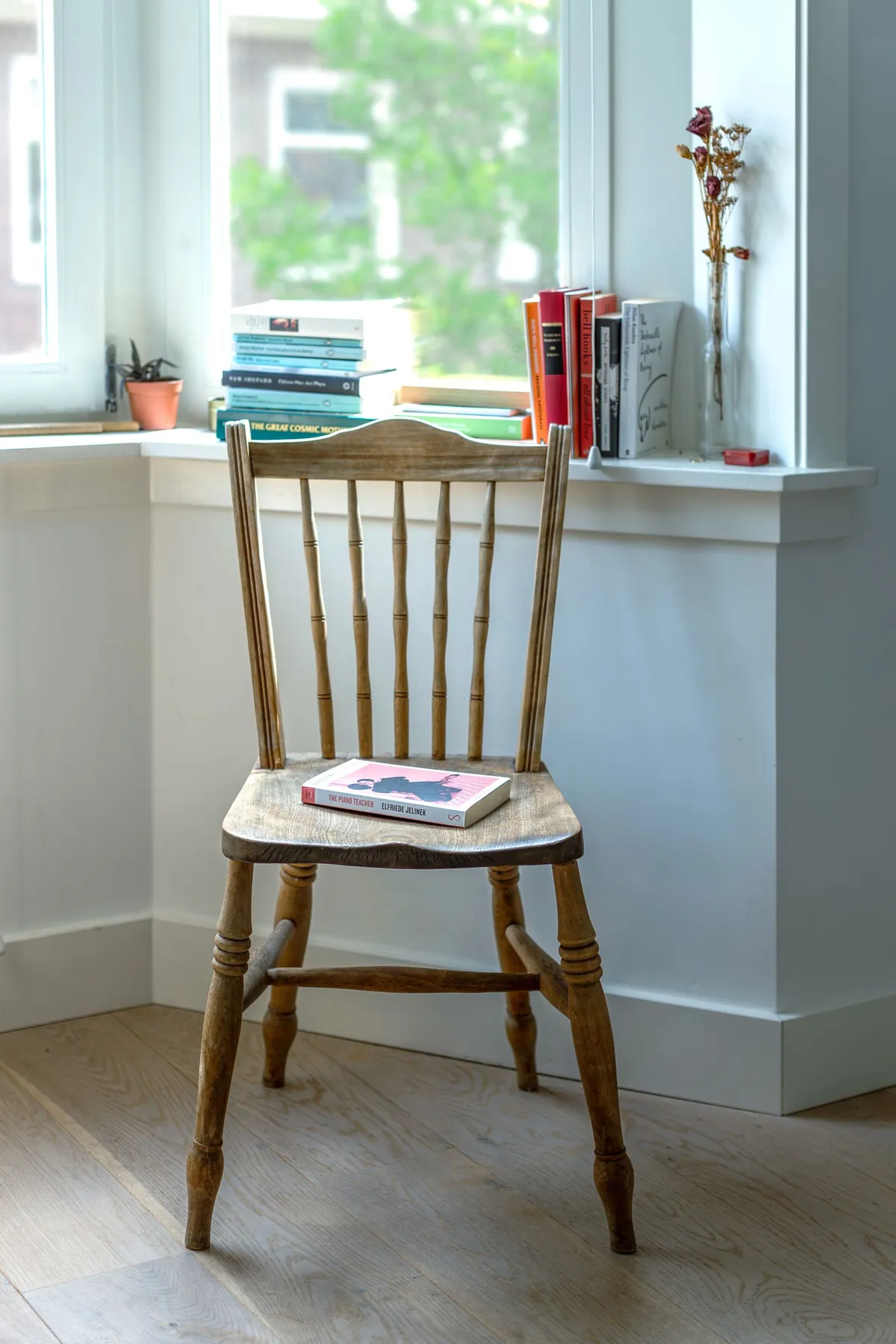
Hosting overnight in a living room can be comfortable without disguising the room as a hotel. The important things are a suitable sleeping surface, privacy expectations, and a clear understanding of how the household works. Decorative touches are pleasant, but they cannot compensate for a sofa that is too short or a guest who does not know where to put a bag.
Talk about the arrangement before agreeing to the visit. Explain where the guest will sleep, what bedding you have, and any limits such as early household activity or stairs. Ask about practical access needs without assuming that everyone can manage the same setup. An honest description gives your guest a chance to choose another option if yours will not suit them.
Start with the sleeping surface
Measure the usable length and width rather than relying on a furniture label. If you have a sofa bed, open it fully and check the mechanism, clearances, and manufacturer's instructions. Move sharp-edged or unstable objects out of the route. For an inflatable mattress, follow its operating and use guidance and confirm that your floor space remains accessible once it is in place.
Try the setup yourself before the evening of arrival. Notice uncomfortable joins, a sloping surface, or gaps where bedding falls through. Choose a different arrangement if you cannot make it suitable. A mattress topper can change feel in some situations, but it does not repair a damaged frame or make every unsuitable sleeping surface acceptable.
Give belongings a defined home
Clear a chair, a small table, or a shelf for the guest's essentials. Leave enough floor space for a bag without blocking the route to the bathroom or an exit. A simple tray can keep glasses and a phone together. Ask before moving your guest's belongings during the day; what looks like clutter to the host may be the guest's careful organization.
Provide somewhere for a damp towel that does not require draping it over electrical equipment or upholstered furniture. Show where coats and shoes can go. If the living room must return to household use each morning, agree an easy bedding-storage plan. A clean basket or dedicated cupboard space can make this transition less awkward than an undefined pile in the hallway.
Explain privacy and timing
Discuss bedtime, waking time, and whether household members need the room early. Close curtains or blinds and check what is visible from outside. Offer a temporary screen only if it is stable and leaves routes clear; improvised privacy should not create a tripping hazard. Let the guest know which doors can be closed and which areas remain shared.
Small household details matter. Explain the bathroom light, any unusual tap controls, and where drinking water is available. If doors make noise or a pet will enter the room, mention it. A guest should not have to guess whether they are allowed to use the kitchen at dawn. You can be welcoming while setting limits on rooms or equipment that are not available.
Make the evening setup easy
Put clean bedding together in advance and ask about pillow preferences if you have options. Keep lighting reachable from the sleeping position, with cables placed safely. A book and a glass of water can be thoughtful, but leave most of the surface clear. Avoid scented products unless you know they are welcome.
Prepare the bed before everyone is exhausted. If furniture needs moving, do it while there is room to work and follow handling instructions. Check that lamps, heating equipment, and chargers can be used safely in the new arrangement. Resist buying several decorative items for one visit; the money may be more useful toward an improved sleeping surface for recurring guests.
Plan an ordinary morning
Agree whether breakfast is shared or help-yourself and show the guest what they may use. Keep the menu manageable. Clear communication about coffee, keys, and departure timing can make the visit feel easier than an elaborate meal. Build a little quiet time into the morning if the household has different rhythms.
Should I buy a sofa bed for one guest? Compare future use, room fit, and the full cost before making a furniture purchase. What if my guest needs more privacy? Discuss another accommodation option without treating it as a failed visit. How much should I apologize for the room? Explain the arrangement clearly, then focus on helping the guest settle.
Our reading-corner lighting guide can help you assess a reachable lamp, and the small-entryway guide offers ideas for keeping arrival belongings contained. A considerate hosting plan makes a shared room understandable and usable; it does not require a spare bedroom's appearance.