
Make a Colour Key for a Drawing in Progress
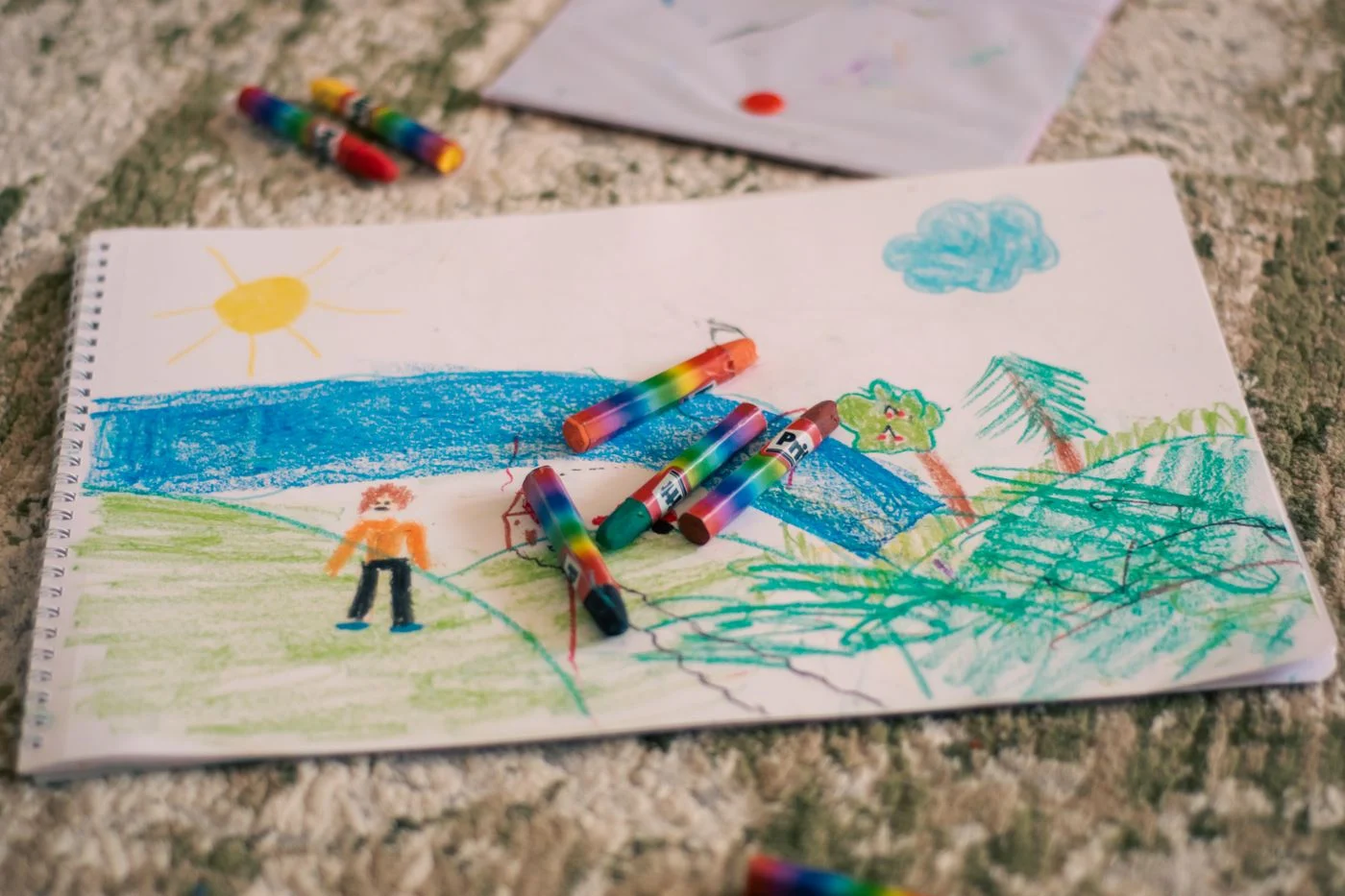
A drawing paused halfway through can be difficult to resume when several similar pencils or crayons return to the same container. The colour remembered as blue might have come from another tool or a particular combination of marks. Make a small colour key while the materials are still clear. The key is a practical reference to this drawing, not a promise that every colour will look identical on every paper or screen.
Identify the materials actually used
Use the names or references supplied on the tools where available. If a tool has no useful label, give it a clear temporary identity within the session. Do not invent a manufacturer's shade name simply because the colour resembles a familiar product.
Keep the actual product's intended use and supervision requirements in mind. The reference task should not involve unsuitable materials or improvised treatments. A photograph of a child drawing is only an illustration, not evidence that every tool suits every age or circumstance.
Make samples on an appropriate surface
Use suitable spare material that provides a useful relationship to the drawing surface. Label the mark with the corresponding tool reference. A colour shown on unrelated bright paper may be interesting without serving as an accurate guide to the page in progress.
Keep the mark simple enough to repeat. If a particular combination or order matters, note what you actually did instead of relying on a memory that several layers were added somehow. Do not turn the sample into a second elaborate artwork that obscures the practical reference.
Record the role of a colour
Add a short note about where the colour was used, such as the larger background area or one small object. The role can help find the right reference later without requiring you to identify a subtle shade by sight alone.
Distinguish an intended next colour from one already applied. A plan is not a record of completed work. Keeping those states separate prevents a paused drawing from being resumed with the mistaken belief that a proposed layer is already part of the page.
Keep the key with the current version
Store the reference appropriately beside the actual drawing or in a clearly identified place. If several projects share a work area, give the key enough identity to avoid assigning it to another page. A loose sheet of attractive swatches can lose its purpose surprisingly quickly.
If the drawing changes direction, update the relevant note rather than preserving an obsolete plan as though it remains active. There is no need to remove the earlier experiment if it is clearly labelled.
Let the key remain small
At the next session, use it to recover the material choices and then return attention to the drawing. The reference should reduce the effort of beginning again, leaving room for a new decision where the work needs one rather than turning every mark into an obligation to reproduce an earlier plan exactly.
Related reading
Draw One Small Part of the View from Your Balcony, Keep Household Reference Notes Connected to Their Sources.