
Record a Houseplant's Actual Position Before Changing It
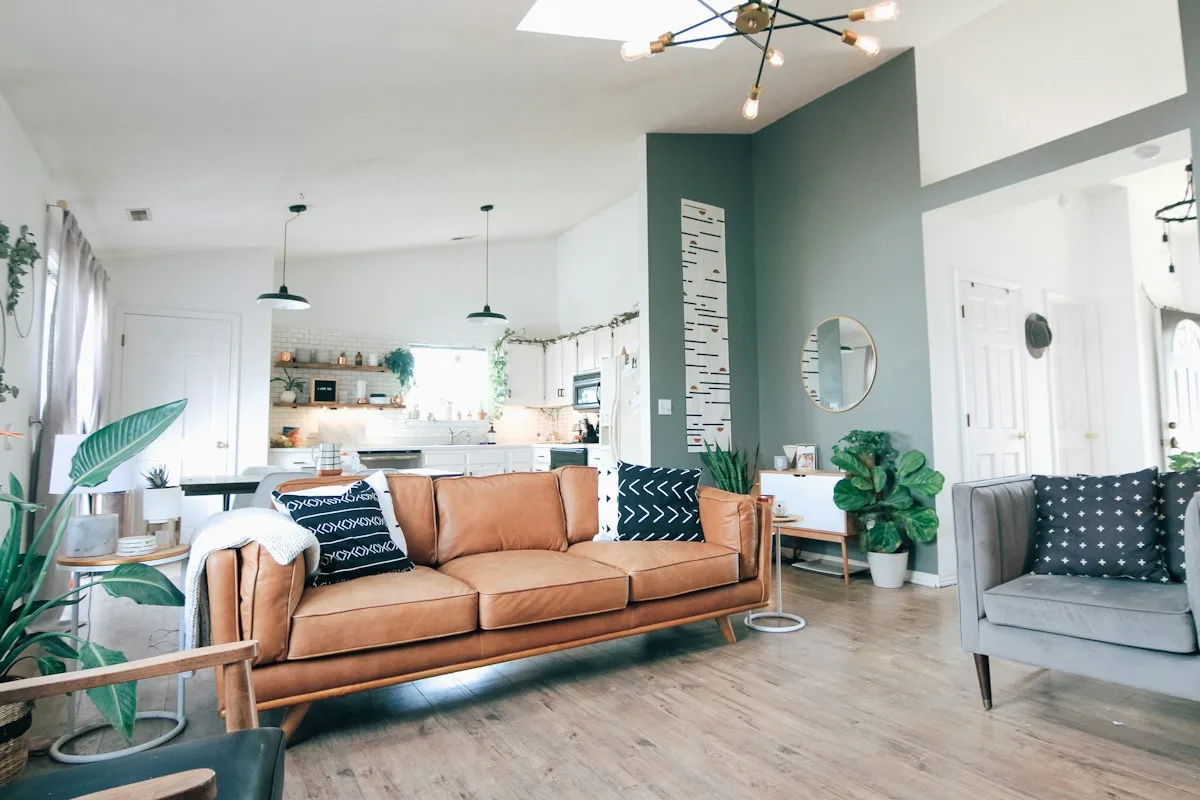
A houseplant's actual position is useful information when you are considering a change. A bright-looking room photograph does not describe every hour or season in your own home. Record the plant's identity, current placement, and appropriate care observations before moving it in response to a vague feeling that another corner looks better.
Confirm the plant's identity
Use reliable plant information and suitable expert help when needed. Similar-looking plants can have different requirements. Keep any supplied label and consult authoritative guidance for the identified plant rather than assuming a popular social-media routine applies.
Check household suitability as well, including pets and children. Use reliable toxicity information and relevant professional advice before deciding where a plant can appropriately live. A high shelf or a decorative pot does not automatically solve access or safety concerns for a particular home.
Describe the real location
Record the room, the plant's position in relation to windows, and the relevant conditions you can accurately observe. Distinguish observation from measurement or interpretation. 'Near the east-facing window behind a curtain' is more useful than 'gets perfect light' when you have not established the plant's actual needs.
Consider ordinary room use, including equipment, drafts, access, and the surface supporting the pot. Follow suitable guidance for the container and protect household materials appropriately. The plant needs a position that works for both its requirements and the people using the space.
Keep care notes specific
Record the appropriate care you actually provide and any relevant changes, following reliable guidance for the plant. Do not turn one observation into a universal diagnosis. If a problem persists or is uncertain, seek suitable expert advice rather than repeatedly moving the plant and changing several care steps at once.
Our small flower-arrangement guide helps keep decorative elements compatible with a room's function. A living plant adds ongoing requirements, so its position should be decided through more than the visual balance of the shelf.
Change one clear part deliberately
If reliable guidance supports a move, note where the plant went and why. Keep appropriate care consistent with its needs and observe through a suitable period rather than promising a fixed response time. Avoid using a new pot or product as an automatic answer to every uncertainty.
The closet-gap buying checklist offers a transferable principle: identify the actual need before purchasing. A plant stand earns its place only when it provides suitable support and access for a confirmed position, not when it merely fills an empty corner.
Does every plant need a detailed journal? No. A brief accurate record can be enough when it helps you understand a change or seek advice. Keep the system proportionate to the plant and your needs. Reliable identity and suitable care matter more than a beautifully designed log with no useful observations.
Planning references: ASPCA: Toxic and Non-Toxic Plants, RHS: Houseplants. Confirm current arrangements with the relevant provider.