
Change a Jigsaw Sorting Method When the Picture Needs It
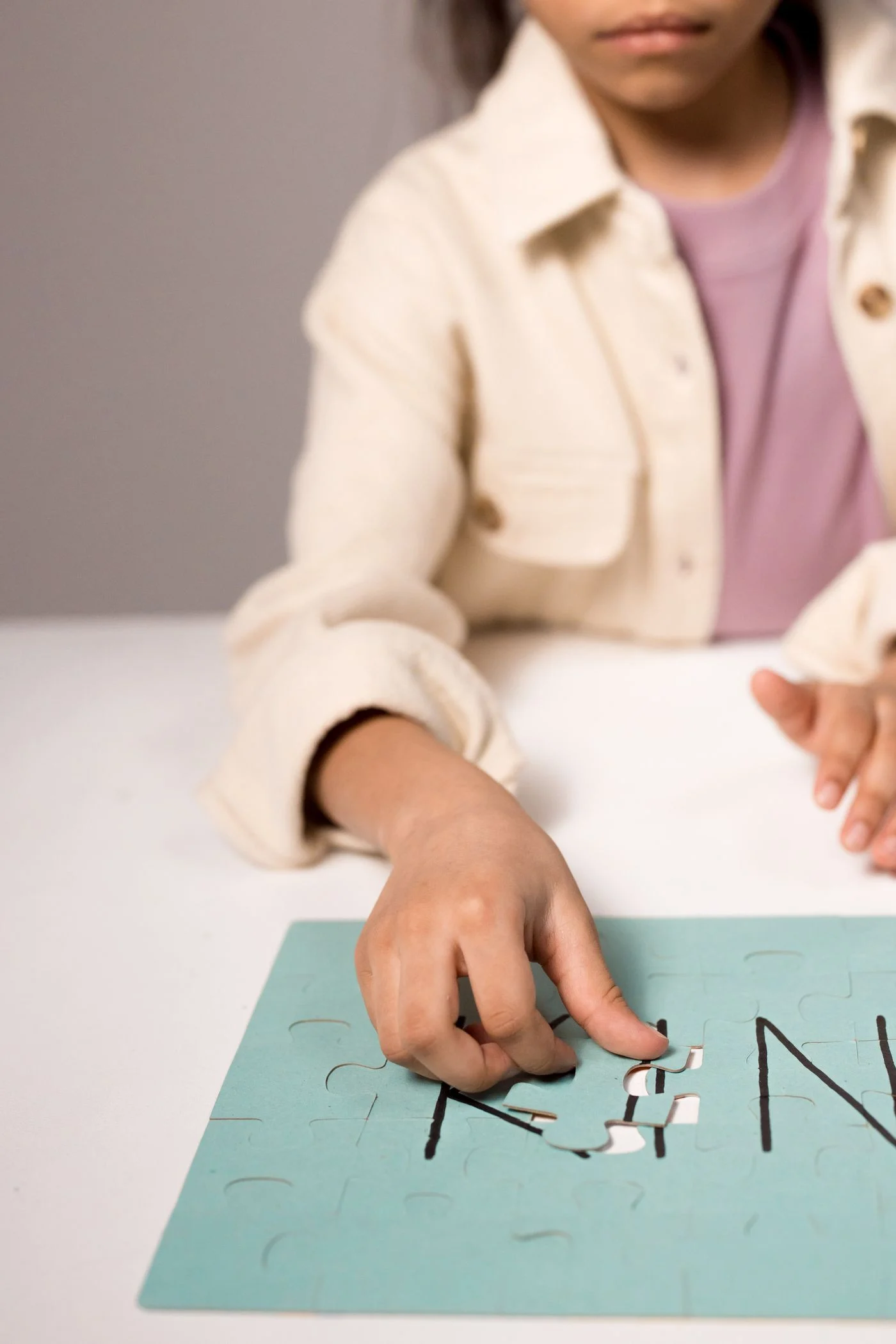
A jigsaw can begin with obvious colour groups and reach a point where those groups stop being useful. A large sky area, repeated leaves or several similar fabrics may contain too many pieces that look alike at first glance. Change the sorting method when the actual picture needs another question. The aim is helping the next decision, not defending a system created before you understood the difficult parts of the image.
Start with the puzzle actually present
Use the supplied picture and relevant product information. Check that the pieces and reference belong to the same set. Follow the age, handling and supervision requirements appropriate to the actual product and people involved, particularly where small components are present.
Give the activity a suitable working area and an agreed stopping point. Sorting is easier to revise when loose pieces have a clear place rather than spreading indefinitely across every surface another household task may need.
Notice what stopped helping
Ask why the current group is difficult. Several shades may look alike, or the image may repeat the same colour in unrelated places. Naming the obstacle suggests a different organising feature without requiring the entire puzzle to be emptied and restarted.
Keep an uncertain piece separate rather than forcing it into a category to make the table look finished. A temporary unresolved group can be useful when its purpose is understood. It should not become a hidden mixture that nobody can interpret later.
Try another visible feature
Compare the shape, direction of a printed line or a distinct edge in the image where relevant. These are observations of the actual pieces, not a guarantee that one universal sorting rule solves every puzzle. Use the combination of features that helps the section currently being attempted.
Avoid forcing a connection because colours appear to agree. A doubtful fit should remain doubtful. Follow the product's appropriate handling rather than altering or stressing pieces to preserve a promising guess.
Keep shared groups understandable
If others are working with you, explain a changed category before moving all their pieces. A sorting method is a shared aid, not private ownership of part of the picture. Someone joining later should be able to understand the main groups without reconstructing every earlier conversation.
Leave room for different working preferences. One person may enjoy a clearly pictured object while another likes a repeated area. These can coexist when the working space and components remain appropriately managed.
Stop with the new method recorded
At a pause, keep the pieces and reference together in a suitable arrangement. A short note about the active section may help if the group has agreed to continue. There is no need to preserve every temporary category forever. A useful sorting method is allowed to change as the picture becomes clearer, leaving the activity guided by what the pieces actually show rather than by a tidy plan that no longer helps anyone make the next move.
Related reading
Choose a Table Game Through the Space You Can Actually Use, Buy a Small Basket for One Specific Household Task.