
Choose a Table Game Through the Space You Can Actually Use
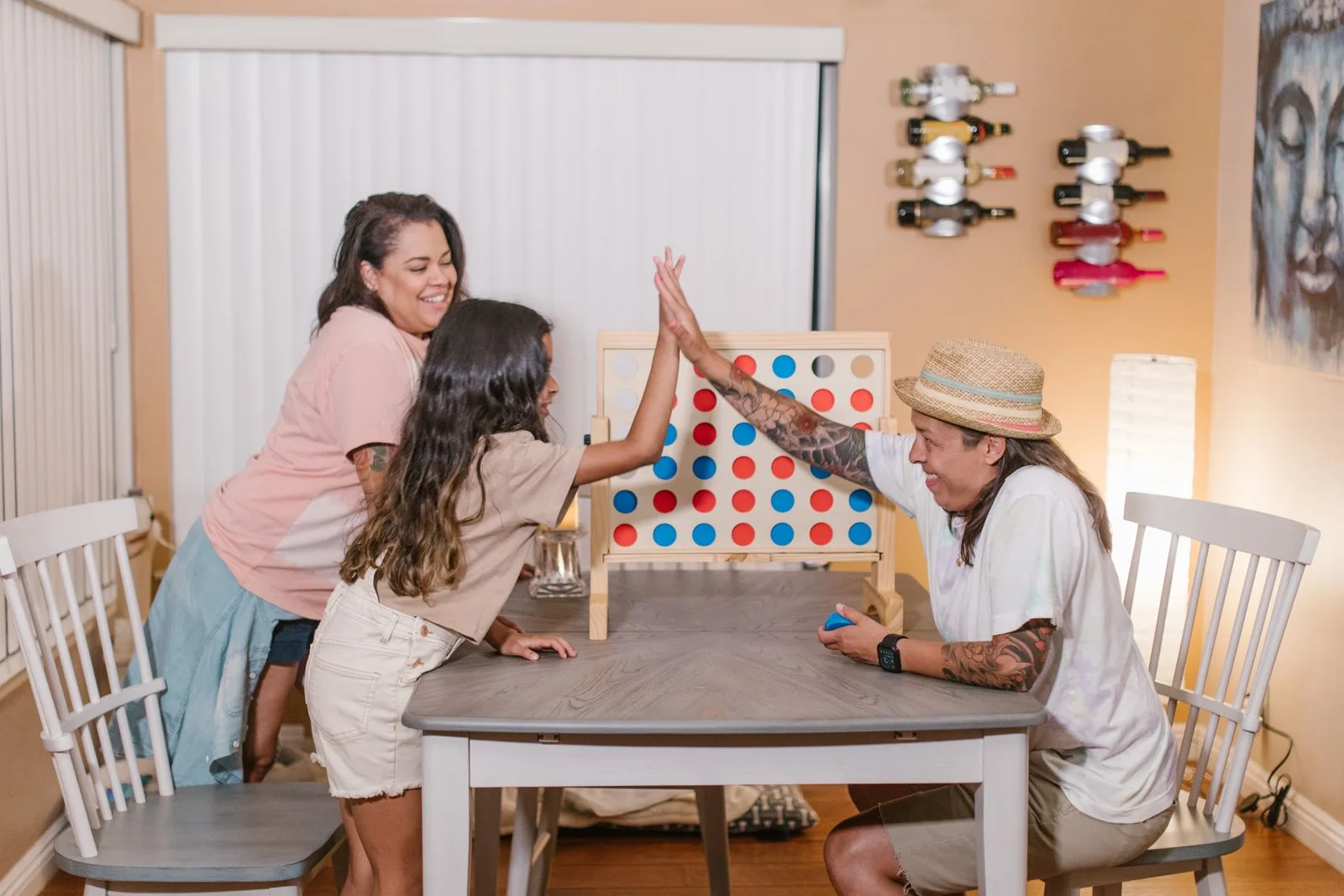
A table game should fit the usable space and the people who will play it. A colorful box may promise a pleasant evening while its board, pieces, and seating crowd the only shared table. Check the actual setup before buying another game or planning a gathering around one you have not opened recently.
Read the right edition's information
Check the publisher's guidance for player numbers, age suitability, components, and use. Similar editions can differ, so use the information belonging to your actual game. Keep household safety requirements in view, including appropriate handling and secure storage of small parts.
Consider the players' needs and preferences. A game can be the right age range while still not suit someone's comfort, access, or interest. Offer a real appropriate choice rather than assuming everyone wants to participate because the box fits the occasion.
Lay out the complete game
Use a suitable surface and arrange the components as the instructions require. Include space for the players' ordinary movements and any materials each person must see or reach. A board's dimensions alone do not describe the entire occupied setup.
Keep dishes, drinks, devices, and unrelated objects in suitable separate positions. Protect the table according to its material requirements. If the game does not fit comfortably, choose another appropriate activity or location rather than balancing pieces near an edge or blocking necessary access.
Check the session's practical finish
Look at the actual setup and return process, not only the advertised playing time. Explain the basic arrangement before inviting someone into a long session. Agree a suitable pause or stopping approach consistent with the game's rules and the group's preferences.
Our dinner-for-four table guide helps assess the occupied surface. If the table will move from a meal to a game, complete appropriate food and dish care first rather than fitting the board between unfinished place settings.
Return components recognizably
Follow the game's inventory and care instructions, checking the actual playing area before closing the box. Give missing or damaged pieces a specific next action through the publisher or another suitable route. A closed lid does not establish that the game is ready for the next player.
The guest-room-without-a-spare-room guide helps keep shared household spaces understandable. A game can be an enjoyable available option without permanently occupying the room's only useful table or becoming an obligation for every visitor.
Do I need a dedicated games table? Only if real frequent use, space, and household needs justify it. A suitable existing surface and a manageable game may be enough. Try the current game with its complete components before deciding the furniture is the problem. Choose the activity through the room you have before buying furniture to support an imagined collection of future evenings.